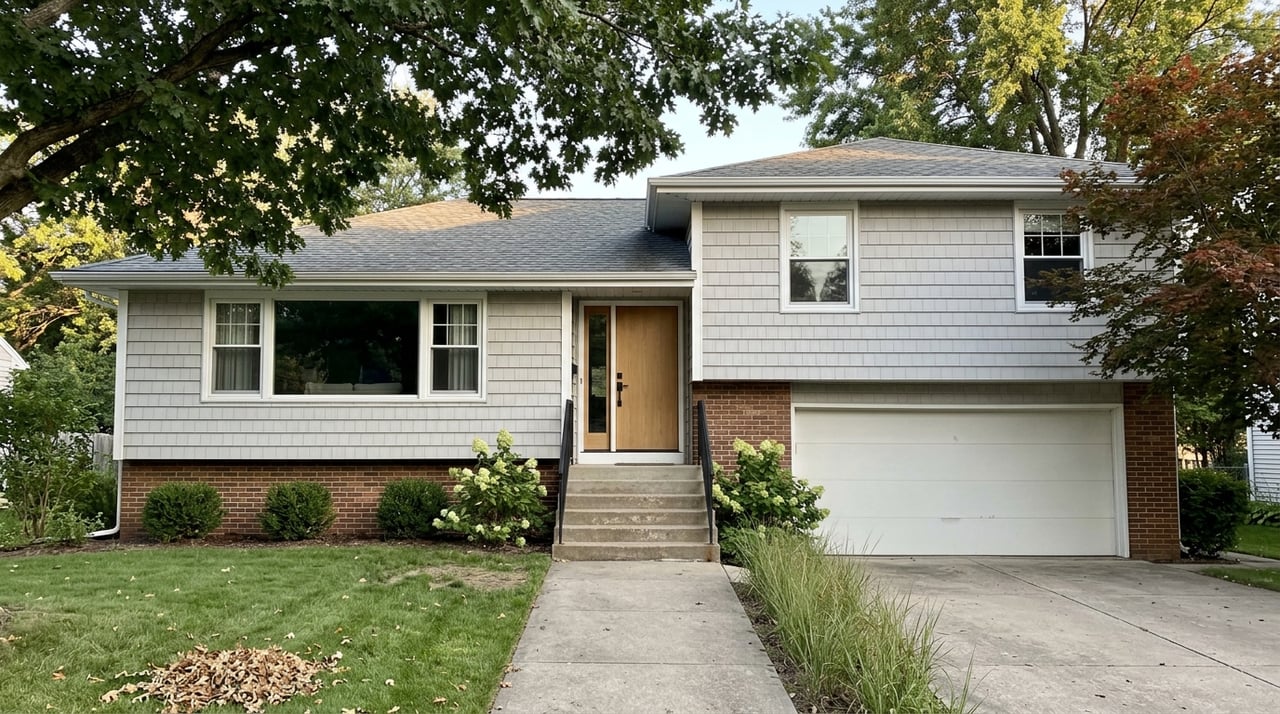
If you are house hunting in Wantagh, one question can save you a lot of time fast: which layout actually fits how you live every day? In a market where many homes trace back to Wantagh’s big postwar building boom, buyers often end up comparing the same three formats again and again: split-levels, hi-ranches, and colonials. Understanding how each one works can help you narrow your search, spot tradeoffs earlier, and walk into showings with more confidence. Let’s dive in.
Why layout matters in Wantagh
Wantagh is a heavily owner-occupied community, with a 95.3% owner-occupied housing unit rate and a median owner-occupied home value of $706,600 according to U.S. Census QuickFacts for Wantagh. Local history from the Wantagh Preservation Society and New York Heritage, as summarized in the research, shows how the area shifted from farmland to subdivisions after World War II.
That history matters when you search for a home today. Instead of comparing brand-new floor plans, you are often choosing between established single-family layouts that were built for suburban Long Island living and then updated over time.
The three layouts buyers compare most
Recent Wantagh property records and listings show all three styles in the local market. Nassau County records include both a 1951 Colonial on Beltagh Avenue and a 1954 Split Level on Beltagh Avenue, while recent listings also include hi-ranch examples in areas such as Mandalay and Wantagh Woods.
This is not a formal count of every home style in Wantagh. Still, it is a strong signal that these are the layouts many buyers are most likely to compare during their search.
Split-level homes in Wantagh
How a split-level is arranged
A split-level home uses short stair runs to connect different living areas. As Architectural Digest explains, the front door is often on the ground level, with stairs leading up and down from that entry point.
These homes often have three to five levels. That staggered design is what gives split-levels their distinct feel and also shapes how you move through the home each day.
How buyers use split-level space
In Wantagh, recent split-level listings show how practical this layout can be. One Wantagh Woods example featured formal living and dining space, a kitchen, and an office or TV room on the main level, with a large den and full basement below and bedrooms above, according to this local listing example.
Another local split-level included a ground-level den, laundry room, garage bonus room for a workshop or office, and an unfinished lower level for storage. That type of setup can give you separate zones for work, downtime, and sleeping without putting everything on one floor.
Who a split-level may suit best
A split-level can work well if you want clear separation between living areas. If you work from home, want a den away from the main living room, or like the idea of bedrooms being one level removed from gathering space, this layout may feel natural.
For many buyers, the appeal is privacy within the home. You can spread out a bit more, even when the overall square footage is similar to another style.
Split-level tradeoffs to keep in mind
The biggest tradeoff is stairs. Architectural Digest notes that split-level homes can be harder for buyers thinking about mobility needs, strollers, or long-term aging-in-place plans.
Remodeling can also be more complicated. Because the layout is staggered, additions and major reconfigurations may be less straightforward than they are in a simpler floor plan.
Hi-ranch homes in Wantagh
What defines a hi-ranch layout
In Nassau County records, these homes are often labeled Raised Ranch/Hi Ranch. A home styles reference guide describes a raised ranch as a two-level home with a split-foyer entrance and a lower level that is finished or partially finished, often with part of it below grade.
On Long Island, “hi-ranch” is the term many buyers know best. In practical terms, it usually means a home with living areas on the upper level and bonus or flex space downstairs.
How buyers use hi-ranch space
A recent Wantagh hi-ranch on Huntington Court showed the classic setup: lower-level family room, office, laundry room, guest bath, utility area, and garage access, with the main living, dining, kitchen, and bedroom areas upstairs, according to this listing example.
Another Wantagh hi-ranch listing on Wantagh Avenue specifically highlighted the layout as a good fit for a home office. That flexibility is one reason buyers often give this style a serious look.
Who a hi-ranch may suit best
If you want a bonus lower-level zone, a hi-ranch may be the most flexible option of the three. You may be able to use that space for a den, office, guest room, playroom, or storage depending on the property.
It still involves stairs, but the circulation is often more straightforward than a full split-level. For some buyers, that makes the layout easier to understand and easier to live in day to day.
Hi-ranch cautions to watch for
The lower level can feel more separated from the main living space. Depending on the grade and window placement, some rooms may feel brighter and more open, while others may read more like basement space.
It is also smart to verify any use beyond standard single-family living. Some Wantagh hi-ranch listings mention mother-daughter or accessory-style setups only when proper permits are in place, as seen in recent local listing language.
Colonial homes in Wantagh
What makes a home a colonial
Realtor.com describes Colonial houses as symmetrical homes with a centered front door and balanced windows, usually rising two or two-and-a-half stories. For many buyers, the key difference is simple: colonials usually offer a more traditional stacked floor plan.
That means living areas are often on the first floor, with bedrooms above. If you prefer a familiar layout over split entries and staggered levels, a colonial may feel easiest to visualize.
How buyers use colonial space
Wantagh colonial listings show a wide range of practical uses. One 1958 colonial included hardwood floors, an eat-in kitchen, a den or office, a garage, and a full basement, according to this local listing.
Another colonial featured a first-floor den, a first-floor primary bedroom, an attached garage, three upstairs bedrooms, and an updated full bath. In Wantagh Woods, another colonial added a detached two-car garage with a bonus room that could be used as a gym, workshop, or office.
Who a colonial may suit best
A colonial often works well if you want traditional room placement and less staggered movement through the house. Buyers who like having living space below and sleeping space above are often drawn to this setup.
If you work from home, a den, finished basement, or garage bonus room may give you options without changing the overall flow of the house. That can be a big plus if you want separate work space but also want a more conventional layout.
Colonial tradeoffs to consider
Older colonials in Wantagh may have been updated in phases rather than all at once. That means you should look closely at kitchen and bath condition, basement height, and whether any additions changed the flow in a way that feels awkward.
The good news is that colonials can often be updated room by room. The flip side is that cosmetic updates do not always solve layout issues, so it helps to look past finishes and study the floor plan itself.
A quick layout comparison
| Layout | Best known for | Main tradeoff |
|---|---|---|
| Split-Level | Separation between living, work, and sleeping zones | More stairs and potentially more complex renovations |
| Hi-Ranch | Flexible lower-level space for office, den, or guest use | Lower level may feel more basement-like |
| Colonial | Traditional floor plan with living areas below and bedrooms above | Older updates may be uneven and flow can vary by additions |
Questions to ask at showings
If you are deciding between these layouts in Wantagh, a few simple questions can quickly clarify what works for you.
- Where would your quiet office go, and is it far enough from the main living area?
- How many stairs will you use between the kitchen, bedrooms, garage, and yard each day?
- Which level includes the laundry, and does that same level also serve storage or guest needs?
- If you renovate later, are you mostly updating finishes or trying to change the layout itself?
Those questions matter because the right home is not just about square footage. It is also about how easily the layout supports your routine.
Which Wantagh layout is right for you?
If you like more separation between activity zones, a split-level may stand out. If you want the most flexible lower-level bonus space, a hi-ranch may be the better fit.
If you prefer a classic, easy-to-read floor plan, a colonial may feel most comfortable from day one. In Wantagh, those differences come up often, so knowing your preferences before touring can make your search much more focused.
If you want help narrowing down the right layout, comparing homes, or planning your next move in Wantagh, connect with NICK AND NATALIE LIVING INC. You will get local insight, responsive guidance, and a team that understands how Long Island buyers actually shop.
FAQs
What is the main difference between a split-level and a hi-ranch in Wantagh?
- A split-level usually has staggered levels connected by short stairs, while a hi-ranch typically has a split-foyer entry with main living space upstairs and flex space on the lower level.
Which Wantagh home layout is best for a home office?
- It depends on the property, but split-levels and hi-ranches often offer separate den or lower-level office space, while colonials may offer a first-floor den, basement office, or garage bonus room.
Are colonial homes in Wantagh easier to renovate than split-level homes?
- Based on the research, split-level homes can be harder to remodel or expand, while colonials may be simpler to update room by room, though buyers should still assess flow and past additions carefully.
Do hi-ranch homes in Wantagh have usable lower levels?
- Many do, and recent Wantagh examples show lower levels used for family rooms, offices, laundry, guest baths, utilities, and garage access.
Why are split-level, hi-ranch, and colonial homes so common in Wantagh?
- Wantagh saw major postwar residential development, and that building history helps explain why buyers today often compare these established suburban single-family layouts rather than newer construction plans.