When you say you want to live near Massapequa Preserve, you might picture quick trail access, an easy train commute, or simply a home in one of Massapequa’s most recognized outdoor corridors. The challenge is that “near the Preserve” can mean very different things depending on the block, the station, and even the municipality. If you’re starting your search, a little local context can save you time, sharpen your budget, and help you focus on the right homes. Let’s dive in.
Where Massapequa Preserve Actually Runs
Massapequa Preserve is a 423-acre linear preserve operated by Nassau County. It stretches from Merrick Road to Linden Street, with Ocean Avenue and Parkside Boulevard on the west side and Lake Shore Drive on the east side.
That footprint matters when you start searching listings. A home described as being near the Preserve could be close to the southern end, near a major road crossing, or farther north along a different section of the corridor.
The preserve also connects to well-known regional trails. The Nassau-Suffolk Greenbelt Trail runs through it, and the Bethpage Bikeway enters the preserve after crossing the Southern State Parkway.
Why “Near the Preserve” Covers Multiple Areas
One of the biggest mistakes buyers make is treating this search like one neat neighborhood. In reality, preserve-adjacent homes can fall within Massapequa, North Massapequa, or Massapequa Park.
That matters because these are not all the same type of market area. The Town of Oyster Bay identifies Massapequa and North Massapequa as unincorporated areas, while Massapequa Park is an incorporated village.
If your goal is true trail proximity, a town-name search may be too broad. A map-first approach usually works better because it helps you separate homes that are genuinely close to the preserve from homes that are simply in the larger Massapequa market.
What Kind of Home You Should Expect
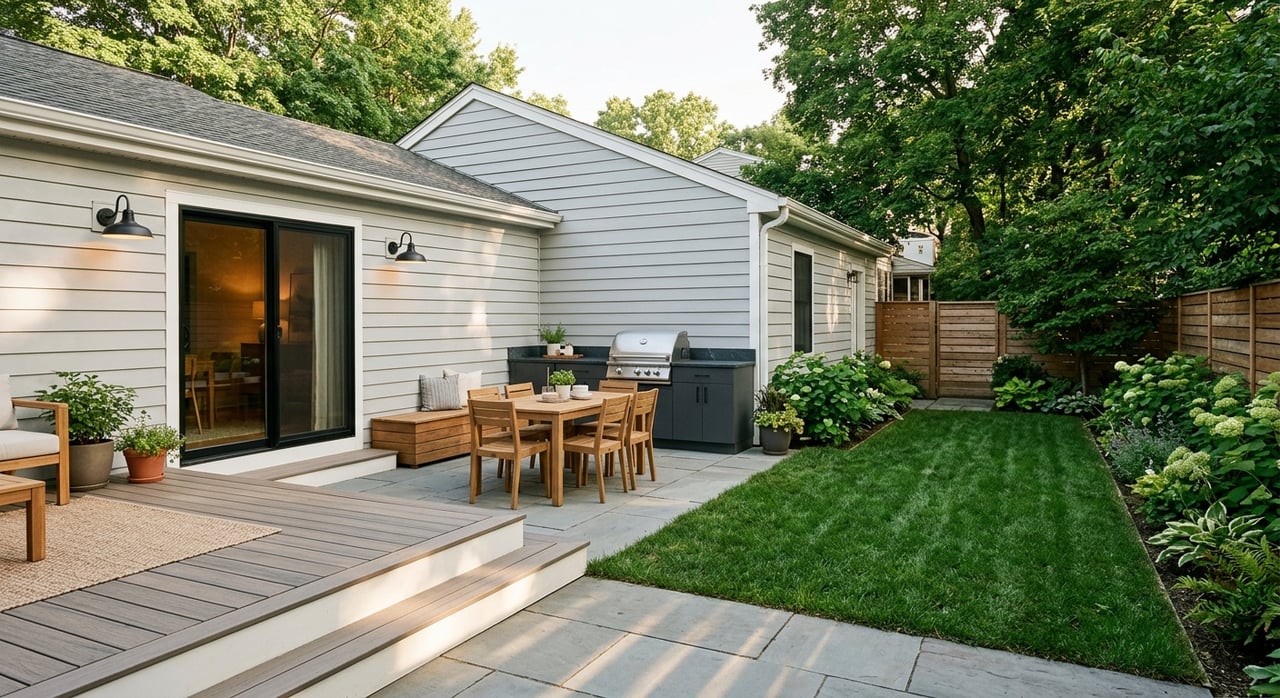
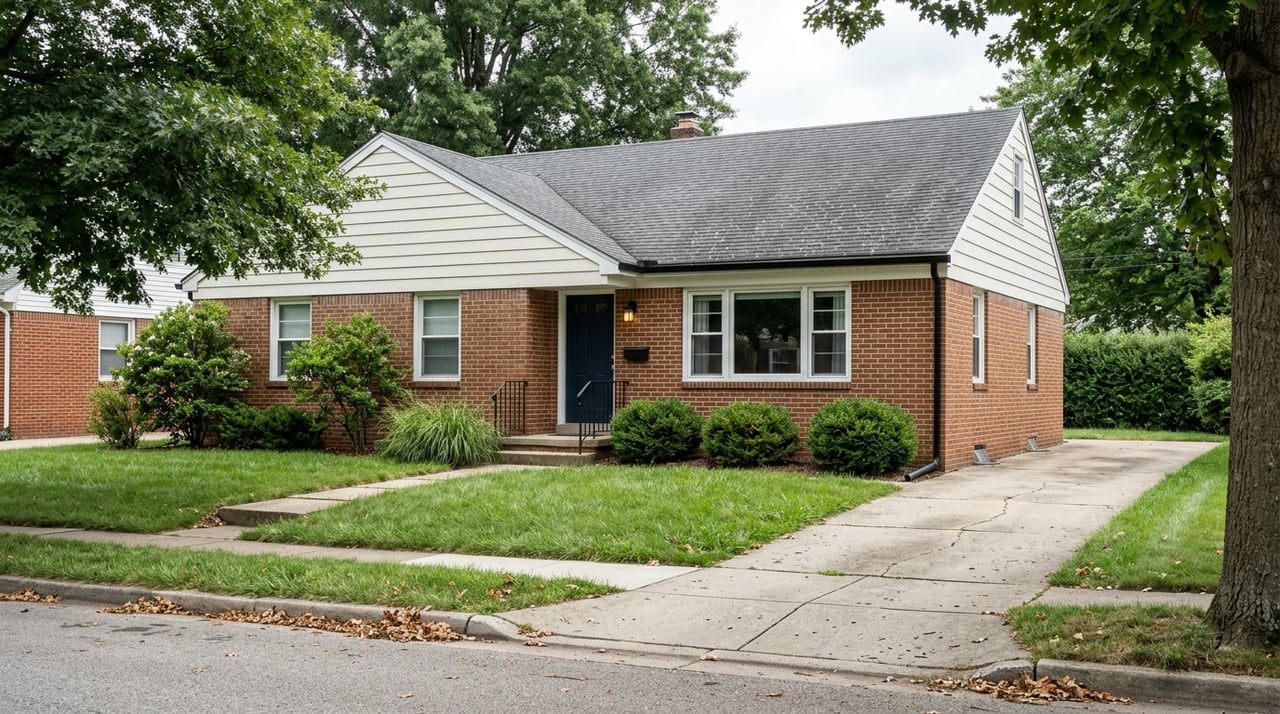
If you’re house hunting near Massapequa Preserve, you should expect a market dominated by single-family homes. In Massapequa, 96.8% of the housing stock is single-family detached, and the owner-occupied share is also 96.8%.
This tends to create a more established residential feel rather than a fast-changing inventory mix. It also helps explain why turnover can be limited, with 97.0% of residents living in the same house as one year earlier.
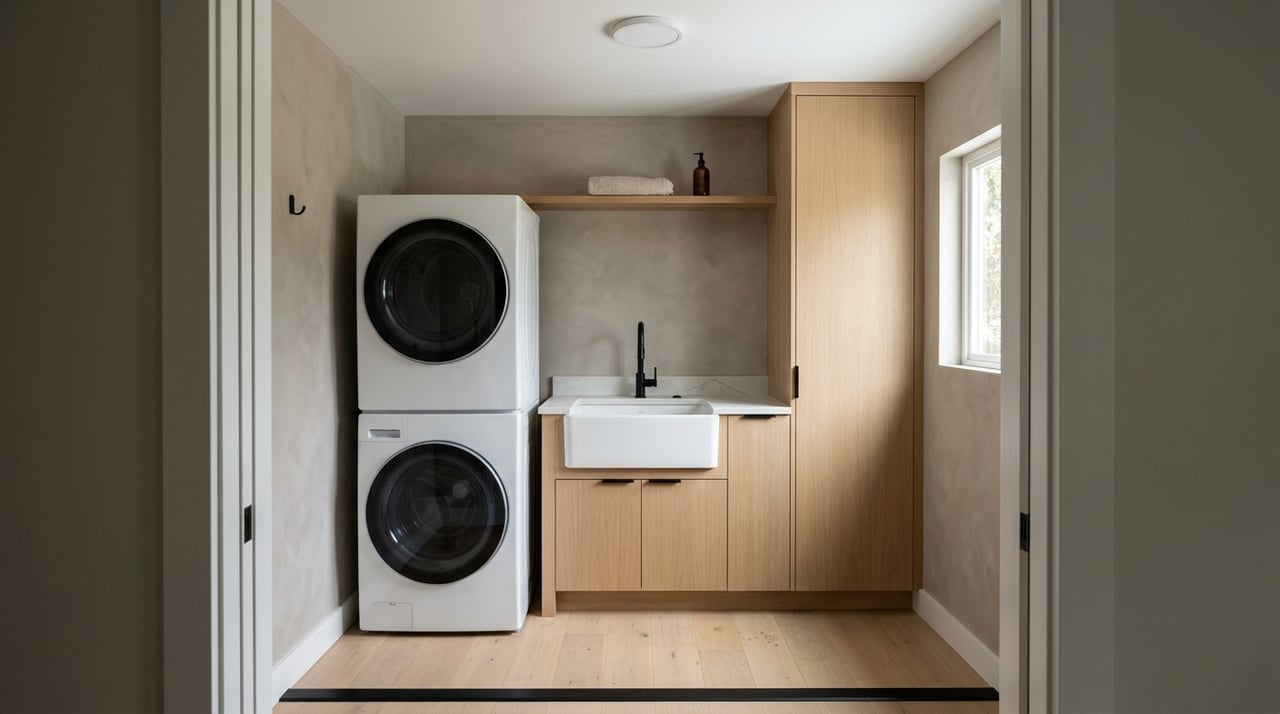
Most buyers should also expect older suburban housing stock rather than large pockets of new construction. Available age data points to many homes built before 1970, which often means properties have been updated over time rather than newly built from the ground up.
What That Means for Buyers Touring Homes
Older housing stock can create more variety from one listing to the next. Two homes with similar square footage near the preserve may feel very different depending on renovations, layout changes, lot shape, and how recently major systems were updated.
That is why photos only tell part of the story. When you tour homes in this area, it helps to look closely at condition, flow, and the level of updating instead of assuming nearby homes offer the same value.
For many buyers, this is also a market where flexibility matters. If you want preserve access and a move-in-ready home, you may need to compromise on another feature like lot size, finishes, or exact train distance.
Budgeting for a High-Price Market
Massapequa is not a low-cost entry point, and preserve-area buyers should plan accordingly. The Census Bureau reports a median owner-occupied home value of $693,200, and median monthly owner costs with a mortgage are above $4,000.
Recent sale data points even higher in practice. Redfin reports a median sale price of $789,528 in Massapequa in May 2026.
Nearby ZIP code data also shows how competitive this corridor can be. In ZIP code 11758, the median sale price over the last three months was $777,000, while ZIP code 11762 posted a median sale price of $844,575.
The key takeaway is not to focus on one exact number. It is to understand that homes near Massapequa Preserve sit in a premium Long Island market where pricing can move quickly based on lot, condition, and location within the corridor.
Why Micro-Location Matters So Much
In a market like this, small location differences can have a big impact. A home with easier preserve access, better station convenience, or a more favorable position within the broader corridor may attract stronger demand.
That shows up in market speed too. Redfin reports homes in Massapequa selling in a median of 27 days, with 62.2% selling above list price.
ZIP-level data reinforces the same pattern. In 11762, homes averaged about 10 offers and sold in around 18 days, while 11758 homes sold in about 28 days.
For you as a buyer, that means broad assumptions can be risky. A listing near the preserve might not just compete on size and price. It may also compete on block-by-block appeal and commute convenience.
Think About Access, Not Just Distance
The best preserve-area home for you depends on the kind of access you actually want. Some buyers care most about direct trail access, while others want a practical commute or a location that simply feels connected to the preserve corridor.
Because the preserve extends from Merrick Road to Linden Street and is crossed by major roads, one location can feel very different from another. A home may be close as the crow flies but less convenient in day-to-day use than you expected.
The trail network adds another layer. The Bethpage Bikeway runs into the preserve, and the Town of Oyster Bay notes a signalized crossing at Sunrise Highway near the southern end of the trail.
That is why map time is so important before you book tours. You want to understand how you would actually get in and out, whether on foot, by bike, or by car.
Commuting From the Preserve Area
Massapequa is well suited for buyers who want suburban living with rail access, but it is not a walk-everywhere environment. Mean travel time to work is about 37 minutes, which supports the idea of a commuter-oriented suburb.
Both Massapequa and Massapequa Park stations are on the Babylon Branch. According to the MTA, both stations are accessible and include features such as elevators, tactile warning strips, and audiovisual passenger information systems.
There are also practical differences between the stations. Massapequa has ticket machines and a limited weekday ticket office, while Massapequa Park has ticket machines but no ticket office.
Don’t Overlook Station Parking Rules
Train access is not just about how close a home is to the station. Parking rules can shape your routine just as much as distance.
That is especially true at Massapequa Park station. The MTA states that all parking there requires a permit issued by the Village of Massapequa Park.
If train use is part of your weekly plan, verify the current station details, parking setup, and schedule before you narrow your shortlist. This is one of those small details that can make a big difference after move-in.
A Smarter Way to Search Near Massapequa Preserve
If you want to search efficiently, start by defining what “near” means for you. That usually falls into three buckets:
- Direct access to trails or preserve entrances
- Convenient access to Massapequa or Massapequa Park station
- Location within the broader preserve corridor, even without immediate trail adjacency
Once you know your priority, use that to guide where you tour first. A buyer who wants weekend biking may search differently from a buyer who cares most about weekday train access.
It also helps to compare homes across Massapequa, North Massapequa, and Massapequa Park instead of locking into one label too early. That wider view often reveals better-fit options and gives you a more realistic sense of value.
What Buyers Should Keep Top of Mind
House hunting near Massapequa Preserve is really about matching lifestyle, housing stock, and budget. You are not just buying a home near open space. You are buying into a specific part of the Long Island market where inventory is mostly established single-family housing and competition can be strong.
The good news is that clear priorities make this search much easier. When you know whether trail access, station convenience, renovation level, or block location matters most, you can move faster and make better decisions when the right home hits the market.
If you’re thinking about buying near Massapequa Preserve, the right local strategy can help you cut through the noise and focus on homes that truly fit your goals. Connect with the Nick and Natalie Real Estate Team for local guidance, smart search support, and a hands-on approach tailored to your move.
FAQs
What does “near Massapequa Preserve” usually mean for homebuyers?
- It can refer to homes in Massapequa, North Massapequa, or Massapequa Park that are somewhere along the preserve corridor from Merrick Road to Linden Street, so the exact location can vary a lot.
What types of homes are common near Massapequa Preserve?
- Buyers should mostly expect single-family detached homes in an established housing market with older suburban homes that may have been renovated over time.
How competitive is the Massapequa Preserve area housing market?
- Recent data points to a competitive market, with median sale prices in the upper $700,000s to mid $800,000s in nearby ZIP codes, relatively fast selling times, and many homes selling above list price.
What train stations serve homes near Massapequa Preserve?
- The main nearby stations are Massapequa and Massapequa Park on the Babylon Branch, and both are listed by the MTA as accessible stations.
What should buyers verify before choosing a home near Massapequa Preserve?
- Buyers should confirm actual trail access, station convenience, parking rules, and how the home’s exact block fits their daily routine before making a final shortlist.