If your Levittown backyard feels more tight than roomy, you are not alone. Many homes here sit on modest lots, which can make outdoor planning feel tricky when you want space to relax, entertain, or play. The good news is that Levittown’s history, lot layout, and local rules all point toward the same smart strategy: make your yard work harder without overbuilding it. Let’s dive in.
Why small backyards work in Levittown
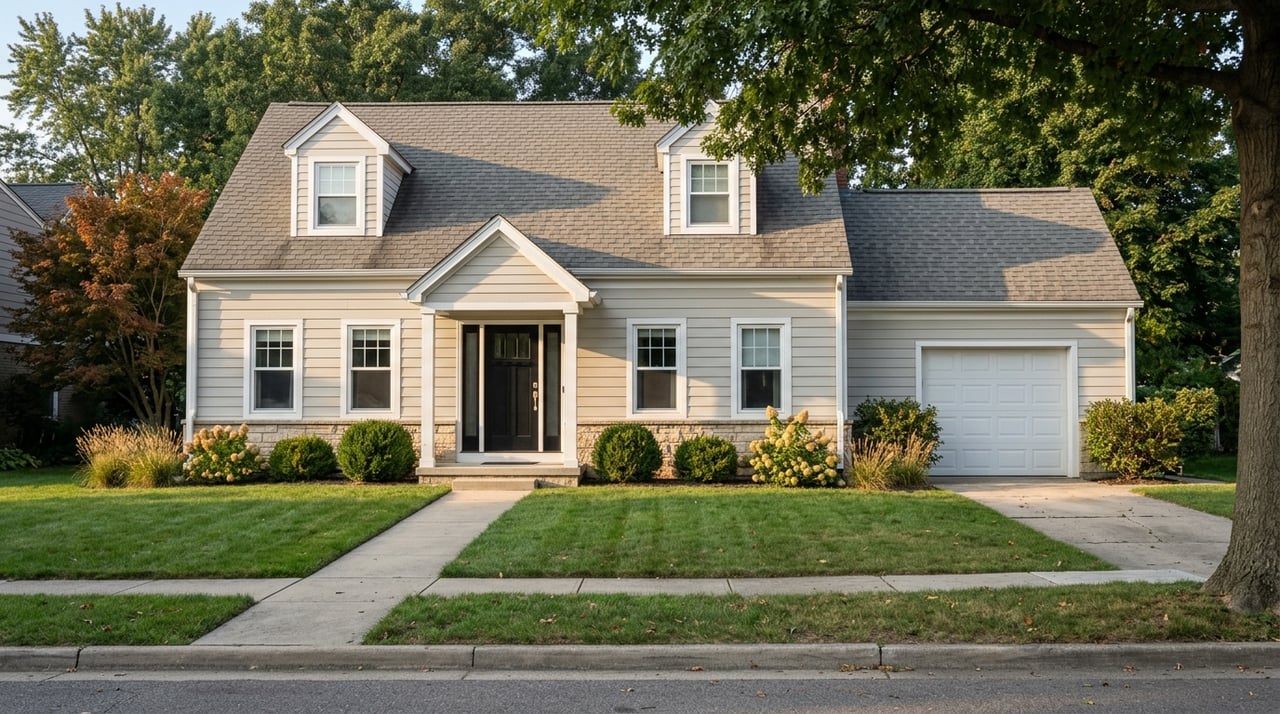
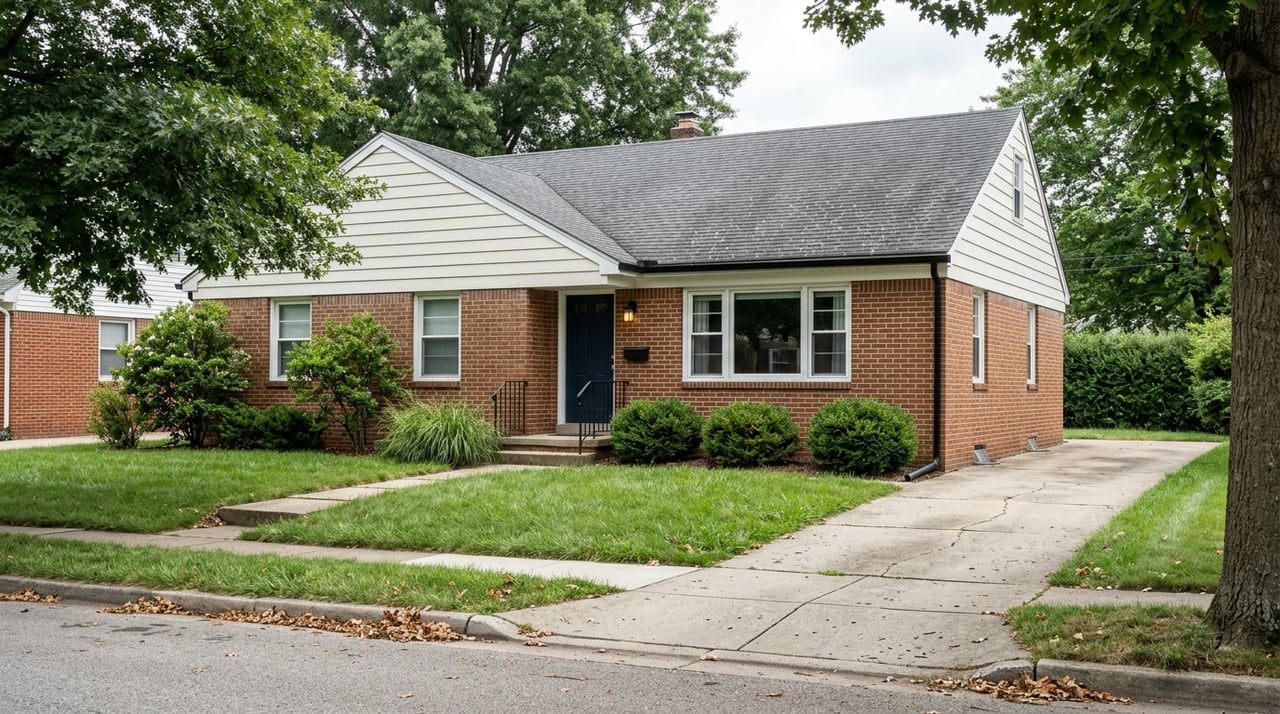
Levittown was built between 1947 and 1951 as a planned suburb, and those original homes were designed to adapt as everyday needs changed. Early Cape Cod models gave way to ranch layouts, and even then, the backyard was treated as part of daily living space. That makes outdoor upgrades feel consistent with the neighborhood’s roots, not out of place.
The key is scale. Levittown’s historic lot pattern centered on roughly 60-by-100-foot lots, and the current Levittown Planned Residence District still requires at least 6,000 square feet of lot area, 60 feet of width, and 100 feet of depth. With building area capped at 30% of the lot, the most effective upgrades are usually the ones that add function without taking over the yard.
Start with open-space thinking
In Levittown, bigger is not always better. The Town of Hempstead created the Levittown Planned Residence District to preserve the integrity of the original plan and help prevent development that changes the neighborhood’s physical character and open space. That means your best backyard ideas are often the ones that feel useful, simple, and proportionate.
For most homeowners, that starts with one question: how do you want to live outside? Your answer might be dining space, a quiet lounge area, room for a grill, storage, or a safe play zone. Once you know the goal, it becomes much easier to choose features that fit the lot and the code.
Patios and terraces often make the most sense
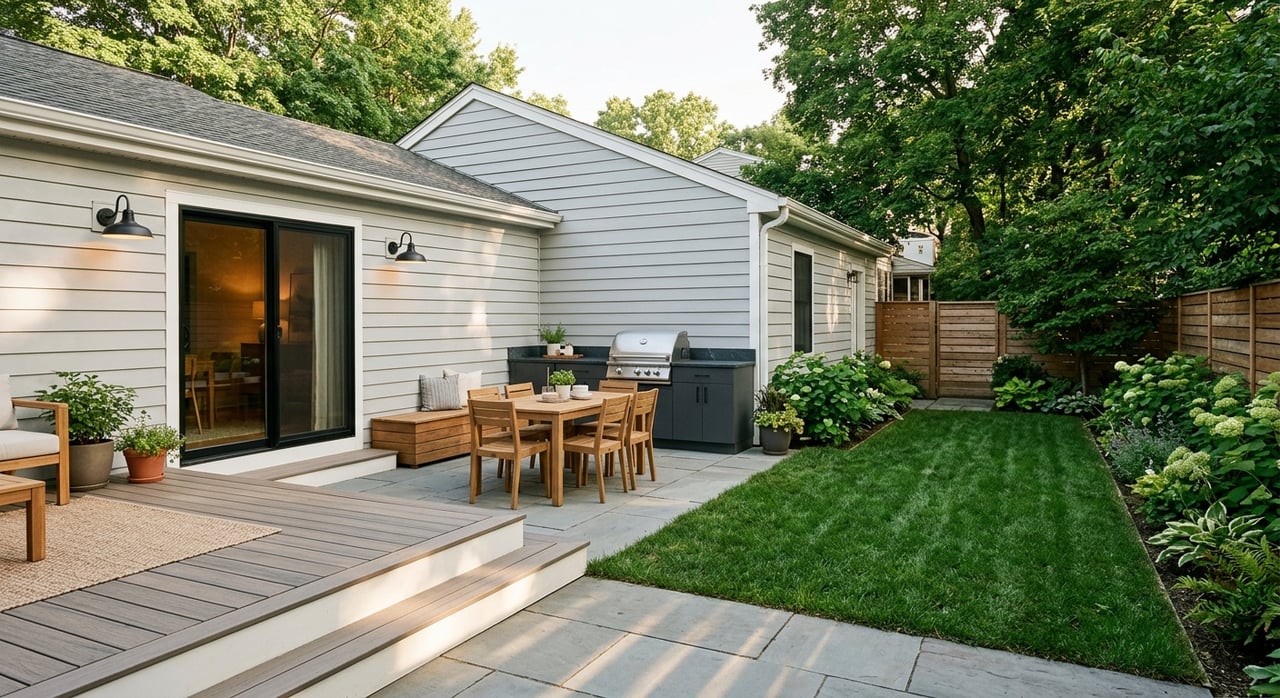
If you want to make a small lot feel bigger, low-profile patios and terraces are often the cleanest solution. In the Levittown district, one-story open porches and terraces up to three feet high are explicitly allowed, and they may project up to six feet into a front or rear yard. That makes them one of the more straightforward ways to create outdoor living space.
A simple patio can do a lot in a compact yard. It gives you a defined place for seating and dining while keeping most of the yard visually open. On a Levittown lot, that open feeling matters just as much as the square footage itself.
Ways to make a patio feel larger
- Keep the layout rectangular or square for a cleaner look
- Use furniture scaled to the space instead of oversized sectionals
- Leave enough circulation room around chairs and tables
- Add planters or landscaping at the edges instead of bulky built-ins
- Match the patio size to the home so it feels balanced
Decks need more planning
A deck can be a great feature, but it deserves more caution than a simple terrace. Town of Hempstead building rules require a permit for work that must conform to the Uniform Code or Energy Code, including construction, enlargement, or alteration of a building or structure. Because the Levittown code is more specific about terraces and porches than decks, a raised deck should be treated as a permit-sensitive project from day one.
That does not mean a deck is a bad idea. It means you should check setbacks, lot coverage, and permit needs before you commit to the design. If you are thinking ahead to resale, this careful approach matters because buyers tend to respond best to outdoor improvements that feel well integrated and properly finished.
Sheds and accessory structures should stay compact
Storage is important, especially when yard space has to do multiple jobs. But in Levittown, accessory structures are tightly regulated. In the Levittown Planned Residence District, only one accessory structure may generally be erected and maintained, it must be in the rear yard, and it cannot exceed 144 square feet of floor area, 9 feet in height, or 12 feet in horizontal dimension unless a special exception is granted.
That usually points homeowners toward small, efficient solutions instead of oversized backyard buildings. A compact shed, a neatly planned storage area, or a light-touch play setup will often fit the lot better and preserve usable open space.
Smart ways to use one accessory structure
- Store lawn tools and seasonal furniture
- Create a tidy zone for bikes and outdoor gear
- Keep play items organized instead of spread across the yard
- Support a cleaner patio or entertaining area
Pools can work, but planning matters
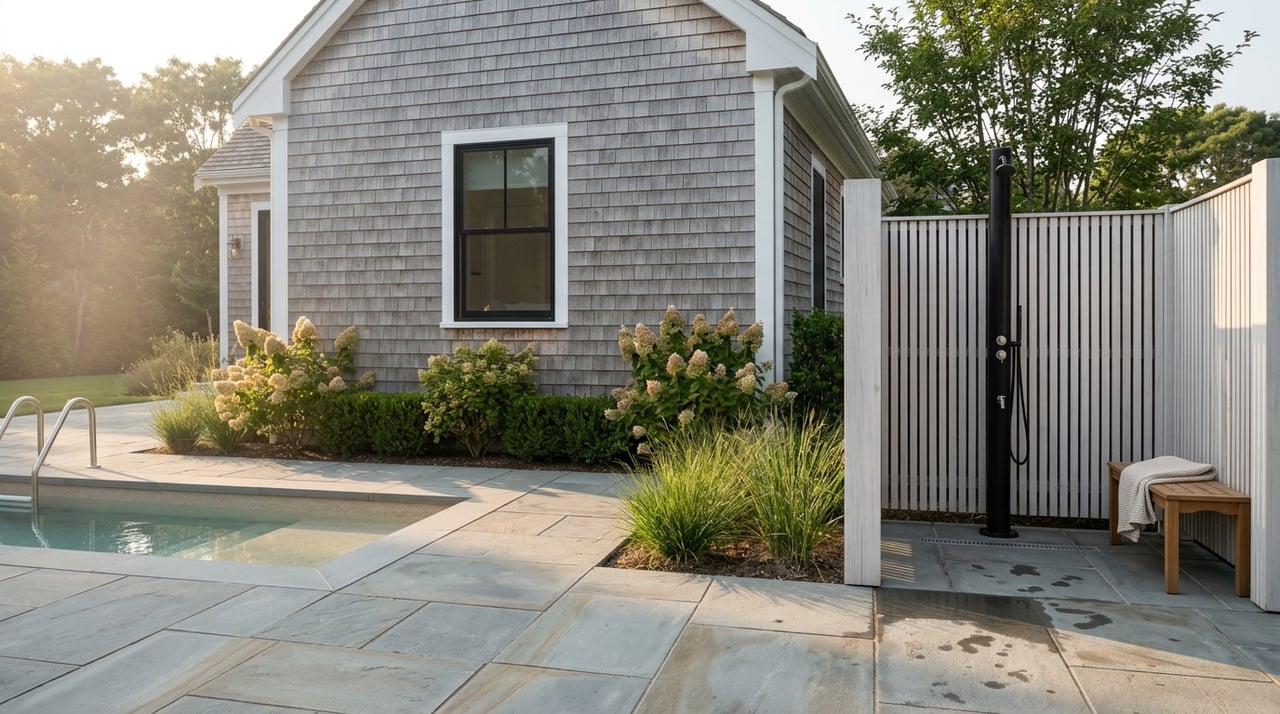
A pool may sound like the ultimate backyard upgrade, but on a Levittown lot it needs careful planning. The Town allows swimming pools only as accessory uses to dwellings, and it adds construction and safety requirements. The Town requires an approved, functioning pool alarm and drainage certification showing the pool will not interfere with the water supply system, sanitary facilities, or public highways.
New York State also says that, in most cases, a pool or spa area must be surrounded by an intact barrier at least 48 inches high, with self-closing and self-latching gates and, when applicable, alarms and anti-entrapment drain protection. On a smaller property, those safety and circulation requirements can affect almost every part of the backyard layout.
That is why a pool should be planned as part of a full outdoor package, not as a stand-alone feature. You need enough room for the pool itself, the barrier, access, drainage, and surrounding use of the yard. In a neighborhood like Levittown, a modest and well-planned pool is usually a better fit than trying to squeeze in a resort-style setup.
Fencing helps define usable space
Fencing can make a backyard feel more comfortable and functional, especially on a smaller lot. In the Levittown Planned Residence District, fencing on rear lot lines and the side lines enclosing the rear yard can be up to six feet, while fencing forward of the front building line is limited to four feet and must preserve sight triangles.
That matters whether you want privacy, a boundary for pets, a play area, or a pool enclosure. Good fencing can make a space feel organized and intentional, but it still needs to follow local placement and height rules.
Know the permit process before you build
One of the biggest mistakes homeowners make is treating permits like an afterthought. The Town of Hempstead Building Department directs homeowners to its Online Permit Center for permits and forms, and the department enforces building, plumbing, electrical, and housing codes. The broad rule is simple: if the work must conform to the Uniform Code or Energy Code, a building permit is required, and work cannot begin until the permit is issued.
The application process includes site and construction documentation, and the code allows stop-work orders and penalties for work done without the required permit. In a place like Levittown, where zoning standards are designed to preserve lot balance and open space, it pays to plan carefully before materials are ordered or work begins.
Backyard checklist for Levittown homeowners
- Define the main use for the yard first
- Check whether the project affects lot coverage or setbacks
- Confirm whether a permit is required before work starts
- Keep accessory structures within local size and placement limits
- Plan fencing, barriers, and drainage as part of the project
- Prioritize open, usable space over maximum footprint
What backyard upgrades may help resale
If you are improving your home with future resale in mind, outdoor living projects continue to stand out. In the 2025 Middle Atlantic Cost vs. Value report from JLC/Zonda, a wood deck addition recoups 94.9% of its cost at resale, while a composite deck addition recoups 88.5%. That suggests simple, functional outdoor space can be a strong value play in this region.
Outdoor appeal also shapes buyer interest. NAR’s outdoor-features research found that 92% of REALTORS® suggest improving curb appeal before listing, 97% say it is important in attracting a buyer, and 98% say it is important to a potential buyer. The same report found that after outdoor projects, 68% of owners wanted to be in their homes more, 60% enjoyed them more, and the typical Joy Score was 9.7.
In Levittown, the safest resale-minded upgrades are usually the ones that feel proportional to the original Cape Cod and ranch homes. Compact patios, modest decks or terraces, tidy fencing, and well-executed landscaping tend to keep the yard useful without making it feel crowded. Bigger features like pools can still work, but they should be sized with the lot, the code, and future buyer appeal in mind.
Big living starts with the right plan
The best Levittown backyards are not always the biggest ones. They are the ones that use space well, respect the lot, and make everyday life easier and more enjoyable. When your outdoor upgrades feel balanced, functional, and in step with local rules, even a small backyard can live large.
If you are thinking about updates before a future move, or want to understand what buyers may respond to in Levittown, the Nick and Natalie Real Estate Team can help you look at your home through both a lifestyle and resale lens.
FAQs
What backyard project is usually the easiest fit for a Levittown home?
- A low-profile patio or terrace is often one of the easiest fits because the Levittown district code specifically allows one-story open porches and terraces up to three feet high with limited projection into the yard.
Do backyard decks in Levittown usually require extra review?
- Yes. A raised deck should be treated as a permit-sensitive project, and you should check permit needs, setbacks, and lot-coverage rules before building.
How big can a shed be in a Levittown backyard?
- In the Levittown Planned Residence District, an accessory structure generally must be in the rear yard and cannot exceed 144 square feet of floor area, 9 feet in height, or 12 feet in horizontal dimension unless a special exception is granted.
What pool safety rules matter for a Levittown backyard?
- Pool projects generally need to meet Town requirements for an approved pool alarm and drainage certification, along with New York State rules that usually require a barrier at least 48 inches high with self-closing and self-latching gates.
How high can a backyard fence be in Levittown?
- In the Levittown Planned Residence District, fencing on rear lot lines and side lines enclosing the rear yard can be up to six feet, while fencing forward of the front building line is limited to four feet and must preserve sight triangles.
Which backyard upgrades may help resale in Levittown?
- Simple, proportionate upgrades like patios, modest decks or terraces, tidy fencing, and landscaping are often the safest resale-focused choices because they add function while preserving open yard space.