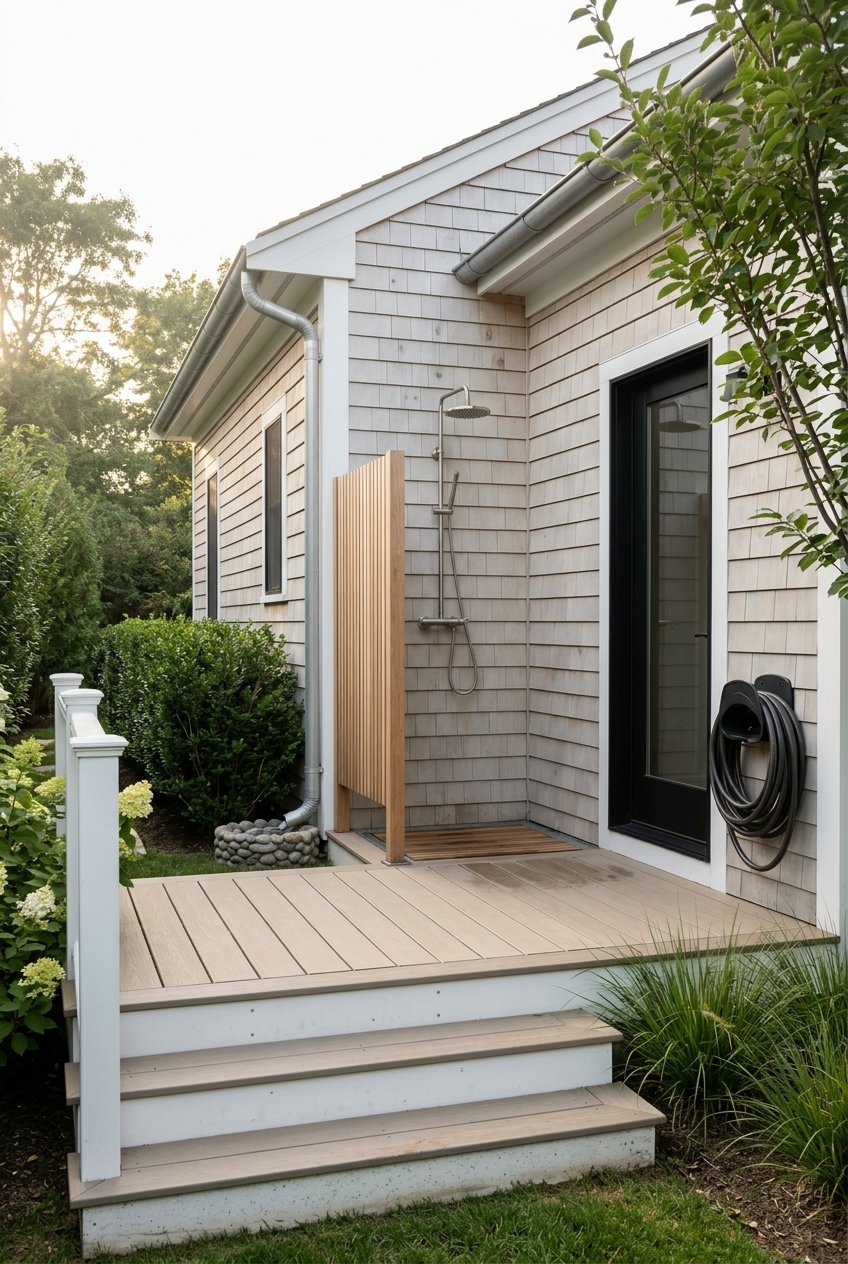
Dreaming about life near the water in Seaford? It can be a great fit if you love boating, marsh views, and easy access to South Shore outdoor spaces, but it also comes with practical details that matter every day. If you are thinking about buying a water-adjacent home here, it helps to know what the setting is really like, what upkeep to expect, and which questions to ask before you commit. Let’s dive in.
Seaford’s waterfront feel
Seaford offers a very specific kind of water-adjacent lifestyle. According to New York State’s Bayway materials, Seaford is a maritime center in the Town of Hempstead located between Cedar and Seamans Creeks, and many homes have private docks on man-made canals.
That means Seaford often feels more like creek-and-canal living with bay access than wide-open oceanfront living. For many buyers, that is part of the appeal. You may get the atmosphere of being close to the water while staying connected to a suburban Long Island setting.
Seaford is also part of the Long Island South Shore Estuary Reserve, a large estuarine system with beaches, shallow bays, tidal marshes, tributaries, and upland areas. The reserve supports boating, paddling, fishing, shellfishing, biking, and shoreline recreation, which helps explain why water remains such a big part of daily life here.
What daily life near water feels like
Living near the water in Seaford usually means your routine is shaped by conditions that inland homeowners may not think about as often. Tides, shallow water, runoff, and boat traffic can all affect how you use the property and nearby launch points.
State and regional sources note that South Shore waterways can include tidal creeks, mudflats, shallow areas, and strong currents at some access points. As outlined by New York State’s public use guidance, the scenery and recreation are major benefits, but waterfront routines often depend on timing and conditions.
That practical side is important. A calm, scenic canal or creek view can be a huge lifestyle win, but you should still expect some flexibility in how and when you enjoy the water.
Parks and access in Seaford
One of the biggest perks of Seaford is how close you are to outdoor recreation. Cedar Creek Park is a 259-acre Nassau County park in Seaford with walking and biking paths, athletic fields, playgrounds, and picnic areas.
It is also identified by the South Shore Blueway as an access point to South Oyster Bay. The Blueway notes that water can be shallow at low tide, which is a helpful reminder that even easy-to-reach waterfront recreation still depends on tide conditions.
If you enjoy kayaking, stand-up paddleboarding, or small-boat outings, the South Shore Blueway network is worth knowing. Its permit guidance says Nassau County launch ramps require county-issued launch permits during the main season, with seasonal and one-day options available. It also notes that off-season use from Labor Day to Memorial Day does not require a permit or seasonal parking fee at those sites.
That kind of detail matters because launch access is not just about distance on a map. It is also about season, site rules, and day-to-day convenience.
Not every shoreline park works the same
It is easy to assume any park near the water doubles as a simple launch point, but that is not always the case. Blueway planning materials describe Seamans Neck Park as a priority access point that would require more phasing, funding, and site work before functioning as easy water access.
That does not make the area less appealing. It just means you should verify how a specific site is used today rather than relying on a photo or map view alone.
Seaford also offers inland nature amenities that round out the lifestyle. Nassau County highlights Tackapausha Museum and Preserve as a place for guided nature tours, hands-on exhibits, and a closer look at Long Island habitats.
Water quality and seasonal conditions
When you live close to the water, the conversation goes beyond views and recreation. Water quality, seasonal advisories, and environmental conditions can also affect how you use nearby waterways.
New York State explains that the estuary is impacted by nutrients, pathogens, stormwater, improper boat-waste disposal, plastics, and marine debris, as outlined in its water quality overview. NOAA also notes that harmful algal blooms can occur in marine and brackish water, especially in warmer months, and are influenced by nutrient pollution and runoff.
For you as a buyer, this means asking practical questions. You may want to understand seasonal conditions, local advisories, and how nearby water is managed, not just whether a property has a water view.
Storm season is part of planning
Seasonality is a big part of water-adjacent ownership. NOAA states that the Atlantic hurricane season runs from June 1 through November 30, and Ready.gov notes that flooding can happen in any season.
In Seaford, that makes storm prep part of regular homeownership rather than a once-in-a-while concern. Many owners use late spring to handle exterior maintenance, clear drainage paths, and get ready before summer and fall weather risks increase.
Ready.gov recommends keeping gutters and drains clear, removing debris, and securing outdoor furniture and loose items before severe weather. Those tasks are smart anywhere, but they matter even more in a setting shaped by wind, runoff, and salt exposure.
Exterior upkeep matters more here
Water-adjacent homes often need more active maintenance than similar inland homes. FEMA notes that salt spray and moisture can speed up corrosion in coastal environments, and its coastal construction guidance emphasizes corrosion-resistant connections and flood-resistant materials.
For a home in Seaford, that means it is wise to pay close attention to exposed metal components, roof flashing, windows, doors, railings, trim, and other areas vulnerable to moisture and salt air. FEMA also notes that damaged flashing can contribute to leaks, corrosion, and dry rot.
This does not mean you should avoid water-adjacent homes. It simply means the inspection and upkeep conversation should be more detailed.
Inspection questions worth asking
If you are buying near the water, a standard inspection checklist may not be enough on its own. You should ask focused questions about how the property handles moisture, drainage, and outdoor exposure.
Here are a few smart questions to raise with your inspector or a waterfront contractor:
- Are there signs of past or active water intrusion around the roof, flashing, windows, doors, crawlspace, or basement?
- Are exposed metal connectors and components appropriate for coastal conditions?
- How does the lot handle heavy rain, storm runoff, and high-water conditions?
- If the property includes a dock, bulkhead, seawall, or similar structure, what is its maintenance history and permit history?
- If the home is not connected to sewer, when was the septic or cesspool last serviced?
These questions matter because South Shore estuary materials link septic and cesspool seepage, stormwater, and related runoff issues to broader water-quality concerns. They also help you understand the true day-to-day responsibilities of a specific home.
Flood maps and insurance basics
Flood diligence is one of the most important parts of buying near the water. FEMA says the Flood Map Service Center is the official source for flood-hazard information, and lenders use flood maps to help determine insurance requirements.
If a property is in a Special Flood Hazard Area, FEMA says flood insurance is required for most federally backed loans. It is also important to understand that coverage details can be narrower than many buyers expect.
According to FloodSmart, NFIP building and contents coverage are purchased separately. The same source notes that flood insurance generally does not cover some items such as basement contents, landscaping, fences, decks, seawalls, or most detached outdoor property.
Timing matters too. FloodSmart says NFIP policies generally have a 30-day waiting period, so it is smart to start the insurance conversation early rather than waiting until the last minute.
Questions for your lender and insurance agent
As you compare homes in Seaford, these are some of the most useful questions to ask:
- Is the property in a FEMA flood zone?
- If so, will flood insurance be required for the loan?
- What does the policy cover, and what is excluded?
- How could flood insurance affect my monthly housing costs?
- Would an elevation certificate, survey, or other mapping document help clarify cost or risk?
These conversations can make a big difference in your budget and comfort level. They also help you compare one water-adjacent property to another more accurately.
The real bottom line in Seaford
Water-adjacent living in Seaford can be a great fit if you want a creek-and-bay lifestyle with boating appeal, outdoor access, and a strong connection to the South Shore environment. At the same time, tides, launch rules, salt exposure, storm prep, and flood diligence are all part of the package.
The best way to approach a Seaford home search is to stay curious about the details of each property. Instead of asking only whether a home is near the water, ask what that specific location requires in upkeep, insurance, access, and day-to-day planning.
If you want help weighing Seaford homes and asking the right questions before you buy, connect with NICK AND NATALIE LIVING INC. You will get local guidance, clear next steps, and a team that understands how to help you evaluate Long Island homes with confidence.
FAQs
What is water-adjacent living like in Seaford, NY?
- Water-adjacent living in Seaford often means canal, creek, or bay-connected surroundings with access to boating and shoreline recreation, along with practical considerations like tides, shallow water, salt exposure, and seasonal storm prep.
What parks support outdoor living in Seaford, NY?
- Seaford offers access to Cedar Creek Park for walking, biking, sports, and bay access, and Tackapausha Museum and Preserve for nature-focused recreation and educational programming.
What should you check before buying a waterfront-adjacent home in Seaford?
- You should review flood-zone information, drainage, signs of water intrusion, exterior corrosion risks, the condition of any dock or shoreline structure, and whether the home uses sewer or septic/cesspool service.
Is flood insurance required for some homes in Seaford, NY?
- Yes, if a property is in a Special Flood Hazard Area, flood insurance is typically required for most federally backed loans.
Why do tides matter for Seaford waterfront access?
- Tides can affect water depth, launch convenience, and day-to-day use of nearby creeks, canals, and bay access points, especially for paddling and small-boat recreation.