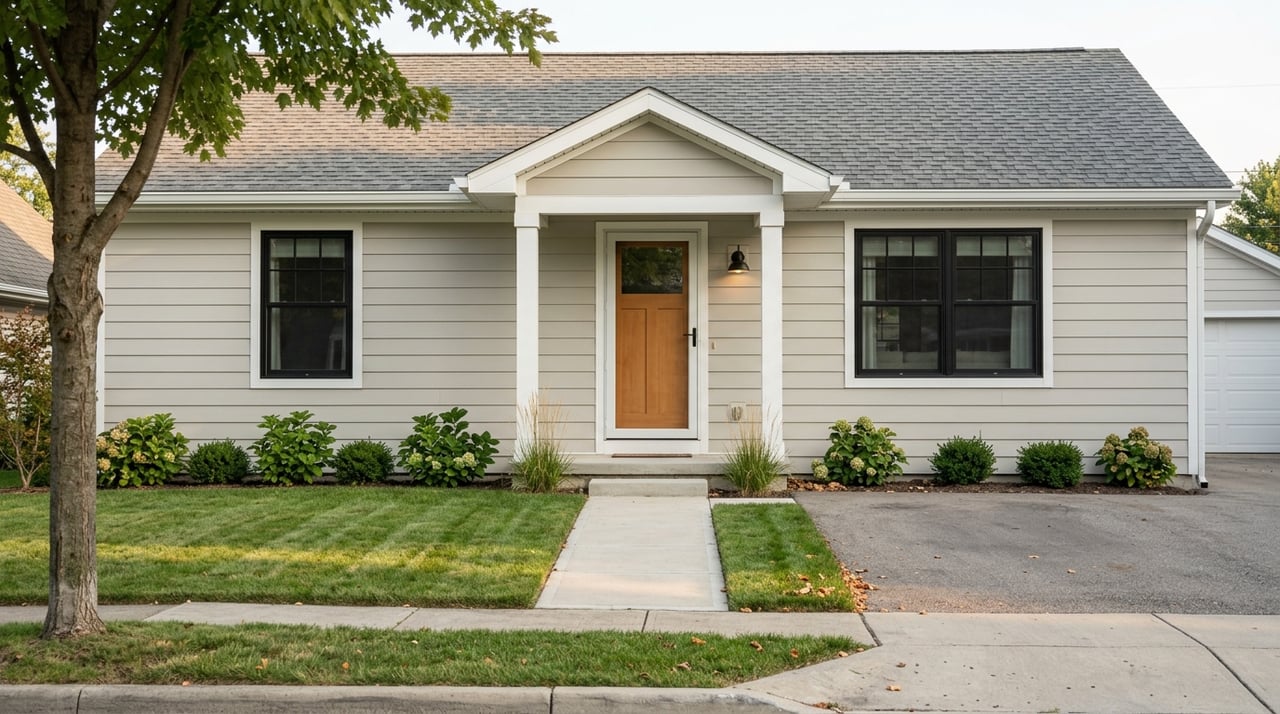
Worried your Wantagh home might appraise lower than you expect? You are not alone. For many sellers and buyers, the appraisal feels like one of the most important and least understood parts of the deal. The good news is that home appraisals are not random, and there are a few key factors that usually carry the most weight. If you understand what appraisers look at in Wantagh, you can prepare smarter and avoid surprises. Let’s dive in.
Comparable sales lead the way
The biggest driver of your Wantagh home appraisal is usually recent comparable sales, often called comps. An appraisal is an independent opinion of value, and for mortgage lending, that opinion is typically built by comparing your home to similar local homes that have recently sold.
Appraisers look for homes with similar physical and legal characteristics. That can include the site, room count, finished area, style, and condition. Neighborhood sales are usually the strongest indicator of value, and Fannie Mae guidance says at least three closed comparable sales are normally used in the sales comparison approach.
In most cases, those sales are from the last 12 months. Older sales can still be used, but only if the appraiser explains why they are the best available indicators and supports any time adjustments.
Why local Wantagh comps matter
A home in Wantagh is not judged against a random house across Long Island. The value comes from how the local market responds to homes with similar features in the same area. That is why a single online estimate often tells only part of the story.
Recent market data shows Wantagh remains a seller-favored market, but price readings vary by source. Realtor.com reported 54 homes for sale in April 2026, a median listing price of $779,000, a median sold price of $780,000, a median 34 days on market, and a 100% sale-to-list ratio. Redfin reported a March 2026 median sale price of $927,500, median 46 days on market, and about four offers on average.
That spread is important. It shows why appraisals rely on current market evidence and comparable sales instead of one portal estimate. A real appraisal is based on supportable local data, not just an automated number.
Square footage matters more than most owners think
Size is one of the clearest value drivers in any appraisal. Fannie Mae notes that valuations often correlate strongly with square footage, which is why appraisers follow measurement standards for most single-family homes.
That detail matters because your tax record, prior listing, or online estimate may show a different number than the appraiser uses. Above-grade and below-grade areas are also reported separately, so finished lower-level space may not be valued the same way as main living area.
In practical terms, a home with more above-grade finished square footage will usually have an advantage over a smaller comparable home, all else being equal. But the adjustment still depends on what local buyers in Wantagh have actually paid for that difference.
Condition can change value fast
Condition is another major piece of the appraisal. Appraisers do not just ask whether a home looks nice in photos. They look at how well the property has been maintained and whether it shows signs of deferred maintenance or meaningful updates.
Fannie Mae condition ratings help explain this. A C3 home is well maintained and may have recently updated major components. A C4 home shows moderate wear and some deferred maintenance. A C5 home has more significant wear and needs repairs.
This is why measurable condition differences usually matter more than surface-level touch-ups. A newer roof, updated heating or cooling systems, improved electrical or plumbing components, or remodeled kitchens and baths may support a stronger condition rating. A quick deep clean helps presentation, but it usually does not carry the same weight as true repairs or upgrades.
Updates help, but only when they are meaningful
Many homeowners assume every dollar spent on improvements adds the same amount back in appraised value. That is not usually how it works. Appraisers look for updates that the local market recognizes and rewards.
If you replaced major systems or completed substantial interior updates, that can help support a better valuation. If you mainly handled cosmetic items, the impact may be more limited. The key is whether the update changes the home’s condition, utility, or market appeal in a way that shows up in comparable sales.
Before an appraisal, it helps to create a simple list of material improvements. Include items like roof replacement, windows, mechanical updates, kitchen renovations, bath renovations, or other substantial work. Clear documentation helps the appraiser understand what has actually changed.
Wantagh location matters, but not automatically
Location always matters in real estate, but not every location feature creates the same value boost. In Wantagh, appraisers may consider factors like proximity to the Long Island Rail Road station, Wantagh Park, and waterfront-related amenities. Jones Beach State Park also carries a Wantagh address.
Still, a location feature only adds value if the market truly pays for it. Fannie Mae guidance treats view and site influence as valuation inputs because they can have either a beneficial or adverse market impact. That means proximity to transit, parks, or waterfront settings is not an automatic premium.
For example, two homes might be similar in size and condition, but one may draw stronger buyer demand because of its site influence or convenience. On the other hand, external factors such as flood-zone differences can also affect value comparisons. The appraiser’s job is to reflect how the market reacts, not to assume every nearby amenity adds the same amount.
Flood-zone differences can affect comparisons
In coastal and near-coastal parts of Long Island, flood-zone differences can matter in an appraisal. Fannie Mae specifically identifies FEMA flood zone as one of the external factors that should be considered.
That does not mean every Wantagh home is affected the same way. It means comparable sales may need closer analysis when homes differ in flood-zone influence, site characteristics, or other location factors. If two homes look similar on paper, but one has a different external risk profile, the market may not value them the same way.
What you can control before the appraisal
You cannot control the appraiser’s judgment, the recent pool of comparable sales, or the current pricing power of the Wantagh market. But you can control how clearly your home’s strengths are presented.
Here are a few smart steps to take before the appraisal:
- Make a list of major updates and repairs
- Gather dates for improvements like roof, windows, HVAC, kitchen, and baths
- Note any permits or substantial work completed, if applicable
- Fix obvious maintenance issues that could push the home into a worse condition category
- Make sure basic property details are accurate, including bedroom count, bathroom count, and finished areas
These steps will not guarantee a higher value. But they can help the appraiser work from complete and accurate information.
What you cannot control
It is just as important to know what is outside your control. Homeowners cannot choose which recent sales the local market produced. They also cannot control whether nearby homes sold higher or lower, how buyers reacted to those homes, or how the appraiser independently interprets the data.
You also cannot force value from cosmetic effort alone. If the most relevant comps are smaller, dated, or affected by different location factors, those differences will still need to be adjusted and weighed.
What happens if the appraisal comes in low
A lower-than-expected appraisal can be frustrating, especially when a home had strong interest from buyers. But it does happen. According to the CFPB, if an appraisal comes in below the contract price, that lower appraisal is strong evidence that the agreed price was above market value.
In that situation, the parties may need to renegotiate. The lender must also provide the borrower with a copy of the appraisal. From there, buyers and sellers typically review the report carefully and decide what next step makes the most sense for the transaction.
The bottom line for Wantagh homeowners
If you want to understand what really drives your Wantagh home appraisal, start with the basics: nearby comparable sales, accurate square footage, condition, meaningful updates, and local market reaction to location features. Those are the factors that usually shape value most.
In a market like Wantagh, where demand appears strong but pricing signals can vary depending on the data source, preparation matters. The better you understand how appraisers evaluate your home, the better positioned you are to price, negotiate, and plan your next move with confidence.
If you are thinking about selling and want a clearer picture of how your home may be viewed in today’s market, the Nick and Natalie Real Estate Team can help you understand the local numbers and prepare with confidence.
FAQs
What affects a Wantagh home appraisal the most?
- The biggest drivers are usually recent comparable sales, square footage, condition, meaningful updates, and how the local market reacts to the home’s location.
Do upgrades always raise a Wantagh appraisal?
- No. Updates help most when they improve condition or major components in ways the local market recognizes, rather than simply adding cosmetic appeal.
Does living near the Wantagh train station or parks increase appraisal value?
- Sometimes, but not automatically. Features like transit access, parks, and waterfront amenities affect value only if buyers in the local market consistently pay more for them.
Can incorrect square footage affect a Wantagh appraisal?
- Yes. Appraisers use standardized measurement methods, and their numbers may differ from assessor records or past listings, which can affect value comparisons.
What can sellers do before a Wantagh appraisal?
- Sellers can document major improvements, confirm accurate property details, and address obvious deferred maintenance so the appraiser has complete information.
What happens if a Wantagh appraisal comes in below the contract price?
- A low appraisal may lead to renegotiation because it suggests the agreed price was above market value, and the borrower must receive a copy of the appraisal report.