Thinking about adding a dormer or second floor before you sell your Levittown home, or listing it as-is and letting the next owner do the work? It is a big decision with real money, time, and stress on the line. You want the best outcome with the least friction.
This guide gives you a clear framework rooted in Levittown norms. You will learn how local buyers think, what appraisers and lenders value, how permits affect price and timing, and which projects tend to pay off. Let’s dive in.
Levittown buyers and what they value
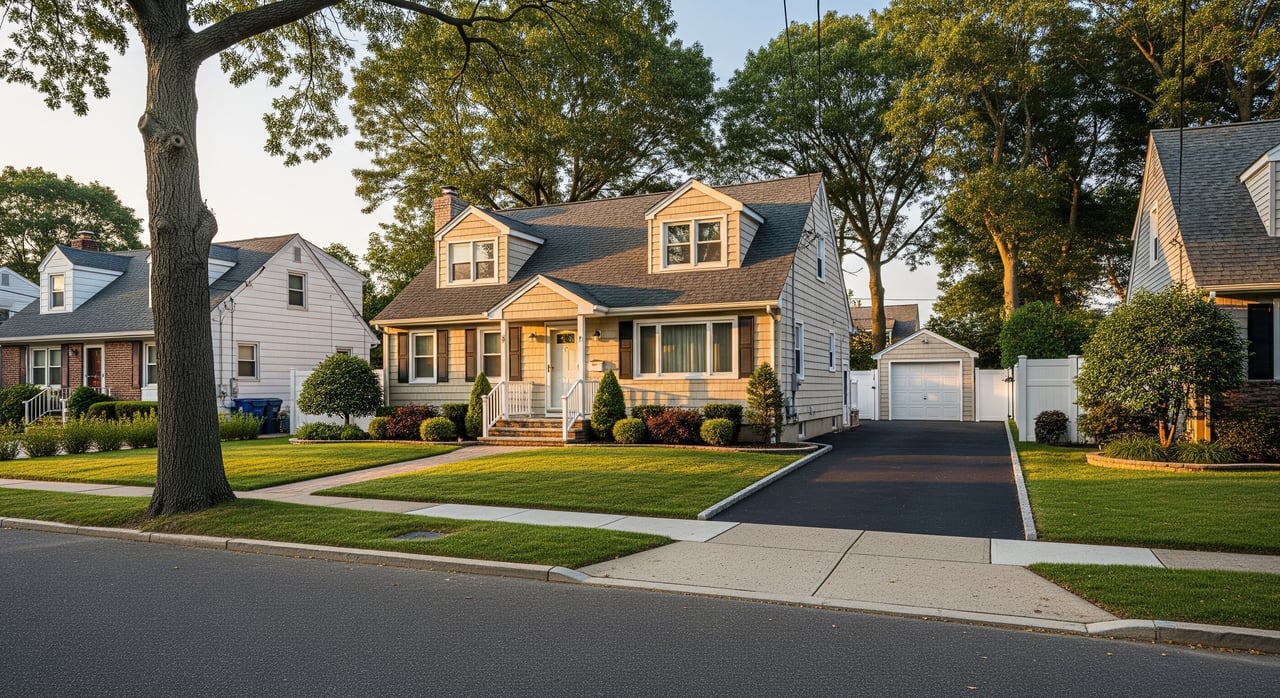
Levittown’s housing stock is known for modest ranches, capes, and early split-levels across similar lot sizes. Many homes started as 2–3 bedrooms, which is why dormers and second-floor additions are so common.
Buyers in this area usually prioritize a functional bedroom count, updated kitchens and baths, and usable living space like finished basements or attics. Off-street parking and reasonably maintained systems matter too. Most buyers compare your home to other Levittown properties with similar footprints and finishes, not to high-end homes in nearby areas.
What does that mean for you? Upgrades that match neighborhood expectations tend to deliver better returns than ultra-luxury renovations. The right bedroom count and usable space often influence offers more than high-end finishes.
Expand vs as-is: quick pros and cons
If you expand before selling
- You can reach move-up buyers who want turnkey living with more bedrooms and a modern layout.
- Permitted, well-executed space often commands a premium if strong comparable sales exist.
- You face design, permitting, and construction timelines that can stretch several months, plus carrying costs and the risk of delays.
- Over-improving past neighborhood norms can cap your appraisal and limit your return.
If you sell as-is
- You move faster, reduce renovation stress, and often attract investors or buyers ready to personalize.
- Pricing must reflect condition to motivate offers and shorten days on market.
- You may achieve a lower sale price than a fully updated home, but you avoid renovation risk and carrying costs.
- Clear disclosures and a pre-listing inspection can reduce renegotiations and keep the deal on track.
Permits, appraisals, and financing basics
Appraisers rely on recent comparable sales in your immediate area. Added square footage helps your value only if there are similar, recently sold homes to justify it and your finishes align with neighborhood standards. If you push past local norms, the appraisal may not keep up with your costs.
Lenders and insurers pay close attention to permits and certificates of occupancy for additions and conversions. Unpermitted work can force buyers into cash or specialty loans, which narrows your pool and adds negotiation hurdles. If you plan to expand, make sure the work is permitted and closed out before you list.
Basements and attics are handled differently. If a finished space does not meet code for ceiling height, egress, or bedroom requirements, appraisers and lenders may discount it. Market it as usable space rather than a legal bedroom unless it complies.
Popular expansion paths in Levittown
- Dormer or attic conversion. Common on capes and ranches to add headroom and bedrooms.
- Full or partial second-floor addition. Major new living area and bedroom count, but with longer timelines.
- Lateral additions or bump-outs. Great for kitchen and family room flow if your lot and setbacks allow it.
- Finished basement. Adds usable space without changing the exterior, but check code if you aim to count bedrooms.
- Garage conversion. Can create an office or bedroom if permitted and properly insulated.
- Kitchen and bath updates. Non-structural but high-impact for buyer appeal.
Typical timelines
- Cosmetic updates or kitchen refresh: weeks to 2 months.
- Dormer, attic conversion, or finished basement: 2 to 6 months including permits.
- Full second-floor addition: 6 months or more with design, permits, and structural work.
Remember to budget for carrying costs during renovation, including mortgage, taxes, insurance, utilities, and any interim housing if the home is not livable.
How to know if expansion pays off
Use this simple filter to pressure-test your plan:
- Comparable sales support it. Do recent Levittown sales show a clear premium for the exact upgrade you want, with similar size and finish?
- You stay within neighborhood norms. If your post-renovation home is far larger or more upgraded than nearby comps, your return may flatten at appraisal.
- Permits are likely. Town of Hempstead setbacks, lot coverage, and egress rules can limit additions. Variances add time and risk.
- You can handle the delay. If you need to sell soon, a long addition may not fit your timeline.
- Financing improves. Permitted, code-compliant space broadens buyer financing options and reduces friction at underwriting.
- You can manage the process. If construction stress is a deal-breaker, an as-is sale may be the better route.
Smart strategies if you expand
- Add a legal bedroom where feasible. A true, code-compliant bedroom often widens the buyer pool more than luxury features.
- Focus the kitchen on layout and storage. Durable, neutral finishes fit Levittown comps and photograph well.
- Document everything. Keep permits, plans, inspections, and certificate of occupancy ready for buyers and lenders.
- Match the neighborhood. Aim for solid quality and clean design instead of top-tier splurges that comps cannot support.
Smart strategies if you sell as-is
- Price to condition. A precise comparative market analysis anchored to true as-is comps attracts serious buyers and reduces time on market.
- Market to the right audience. Highlight the renovation potential, lot, layout, and mechanical strengths to reach investors and DIY buyers.
- Offer clarity. A pre-listing inspection and full disclosures reduce surprises and renegotiations after contract.
- Consider credits. A closing credit or allowance can broaden your buyer pool without taking on the work.
- Do simple polish. Deep clean, neutral paint, declutter, and fix safety or code items to make showings smoother.
A hybrid path that works
If a full addition feels heavy, complete only the highest-value, lowest-risk items before listing. Examples include a modest dormer to legalize a bedroom or a strategic kitchen refresh. You can also market an in-progress, permitted project with plans and a contractor-ready scope. Some buyers will pay for speed and certainty when permits are already in place.
Decision checklist
- Pull recent Levittown comps with and without your target expansion.
- Get a feasibility check from a licensed contractor or architect, including structure, egress, HVAC capacity, and likely permit path.
- Speak with a local appraiser about after-renovation value versus as-is value.
- Confirm Town of Hempstead permitting, setbacks, and lot coverage rules for your lot.
- Tally carrying costs if you delay the sale for construction.
- Choose your target buyer and align your plan to that profile.
- If selling as-is, prepare inspections, disclosures, and a clear pricing strategy.
Your next 60-day plan
- Weeks 0–2: Get a comparative market analysis focused on expanded vs as-is outcomes. Book a contractor or structural consult for feasibility.
- Weeks 2–4: Validate appraisal assumptions and permit requirements. Decide your likely path and budget.
- Weeks 4–8: If expanding, start design and permits. If selling as-is, complete light prep, finalize pricing, and launch marketing aimed at the right buyer group.
Choosing between expanding and selling as-is in Levittown is not one-size-fits-all. When you weigh comps, permits, timelines, and your stress tolerance, the right answer becomes clear. If you want a local read on value, timelines, and buyer demand, talk with Nick and Natalie to get a data-backed plan that fits your goals.
FAQs
How do Levittown appraisals treat new square footage?
- Appraisers look for similar recent sales in Levittown. Added space supports value only when there are comparable homes with similar size and finishes and the work is permitted.
Do I need permits for a dormer or second-floor addition in Levittown?
- Most structural additions require permits and, when completed, a certificate of occupancy. Confirm setback and lot coverage limits with the Town of Hempstead before committing.
Will a finished basement count as a legal bedroom?
- Only if it meets building-code standards for ceiling height, egress, and other safety requirements. Otherwise, it is usable space but not a legal bedroom for appraisal.
Is selling as-is faster than renovating first?
- Usually, yes. As-is listings can move faster, especially if priced to condition and marketed to investors or DIY buyers, but they may sell at a lower price than fully updated homes.
What projects deliver the best ROI in Levittown?
- Legal bedrooms, functional kitchen updates, and properly permitted expansions aligned with neighborhood norms typically perform better than luxury-only upgrades.
How do unpermitted additions affect buyers and lenders?
- Unpermitted work can restrict financing and trigger appraisal or insurance issues. Expect negotiation hurdles, requests for retroactive permits, or price adjustments.