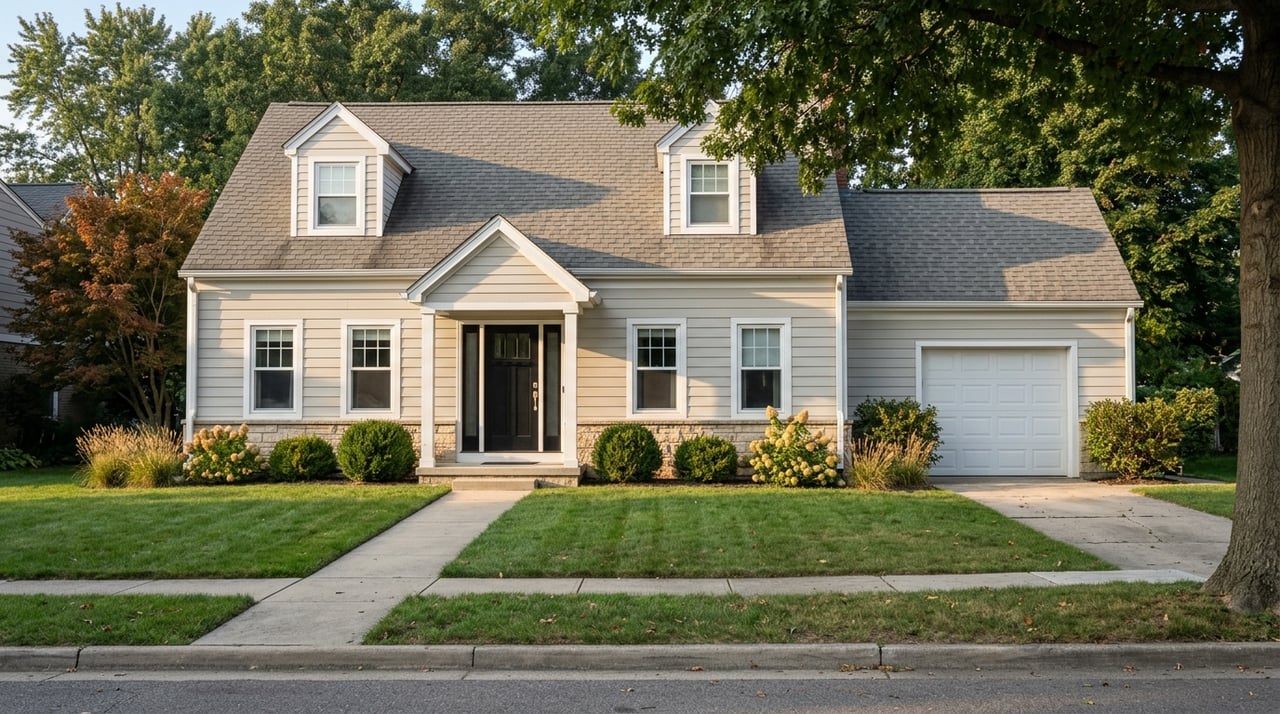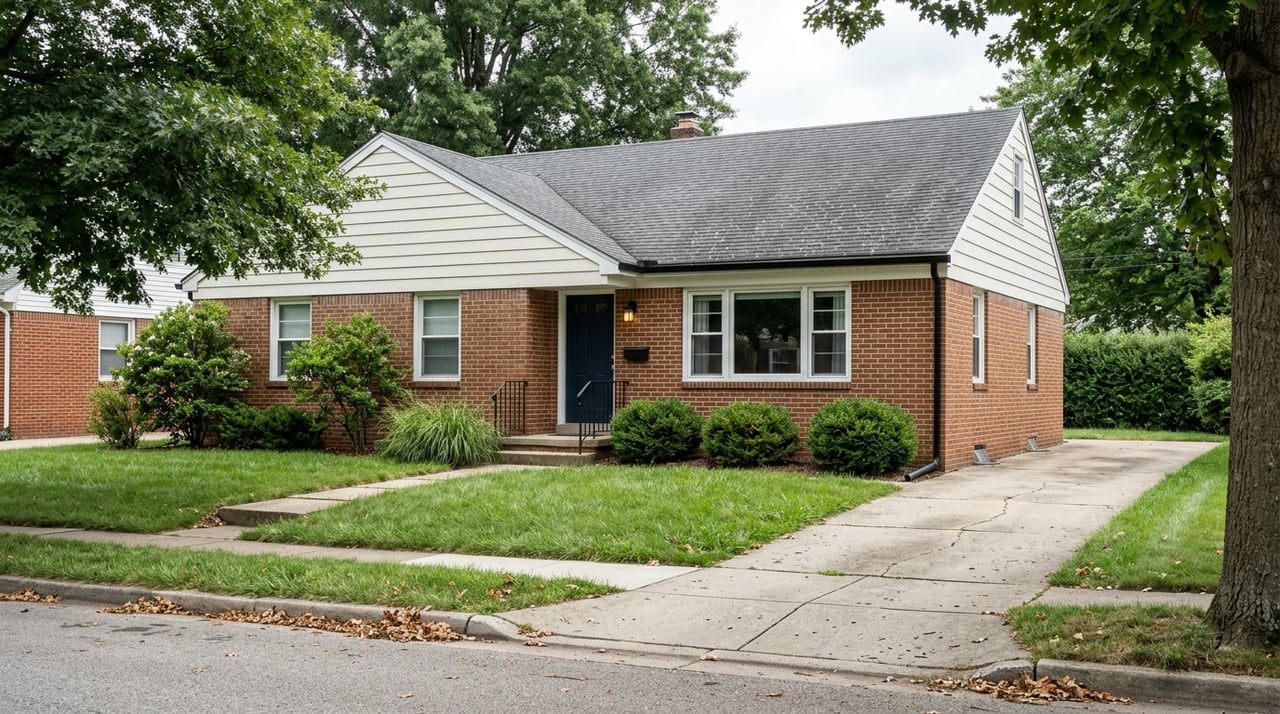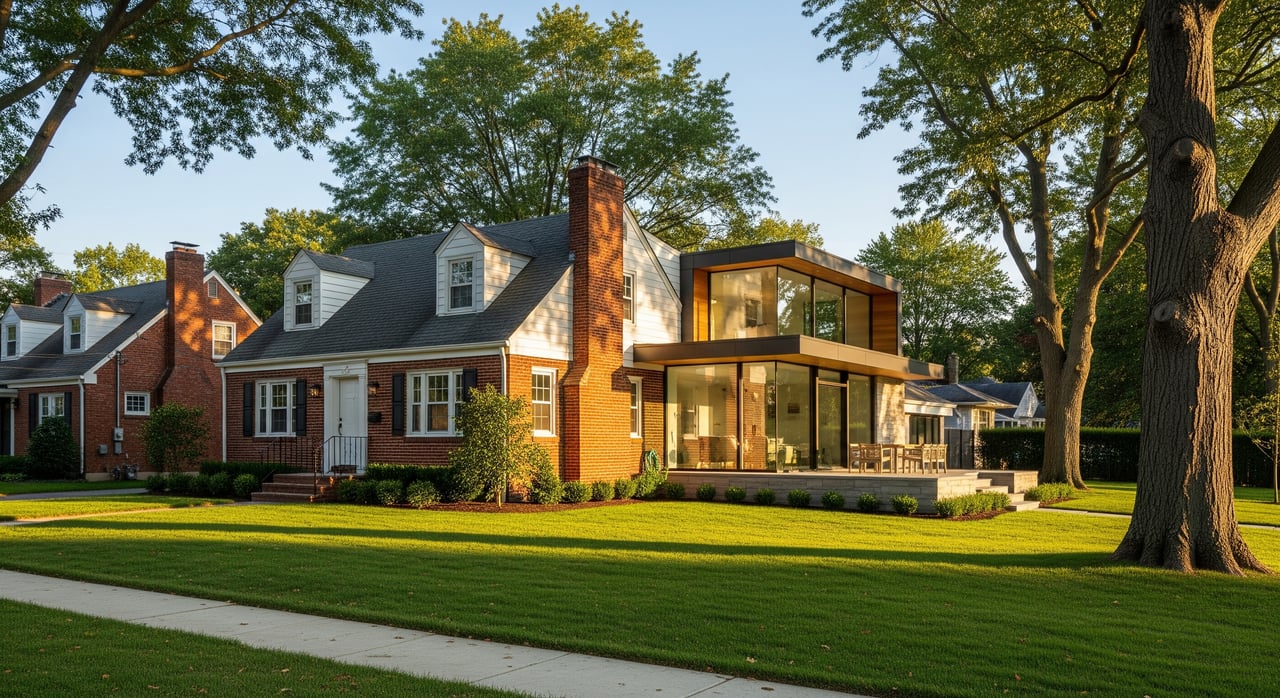
Torn between the character of an original Levitt home and the space of an expanded one? You are not alone. In Levittown, many homes started the same but evolved in very different ways. This guide shows you what to expect from each, how to evaluate additions and systems, and how to price an offer with confidence. Let’s dive in.
Levittown basics and home types
Levittown began in 1947 as a mass-produced postwar suburb built for speed, affordability, and uniformity. Most original houses were compact single-story ranches or 1½-story Capes with simple layouts. Because so many homes started from a similar baseline, later additions are easy to spot and often drive price differences on the same block.
Original home features
Original Levitt homes usually offer smaller footprints, defined rooms, and one full bath. You will see compact kitchens, modest closets, and straightforward circulation rather than open plans. Materials often reflect the era: wood or early aluminum siding, single-pane windows, and basic built-ins.
Mechanical systems may be dated. Expect older oil or gas heating equipment, smaller electrical panels around 60–100 amps, galvanized steel plumbing in many cases, and limited insulation compared with modern standards. Some buyers like originals for a smaller maintenance footprint, and property taxes can be lower than substantially expanded homes.
How expanded homes differ
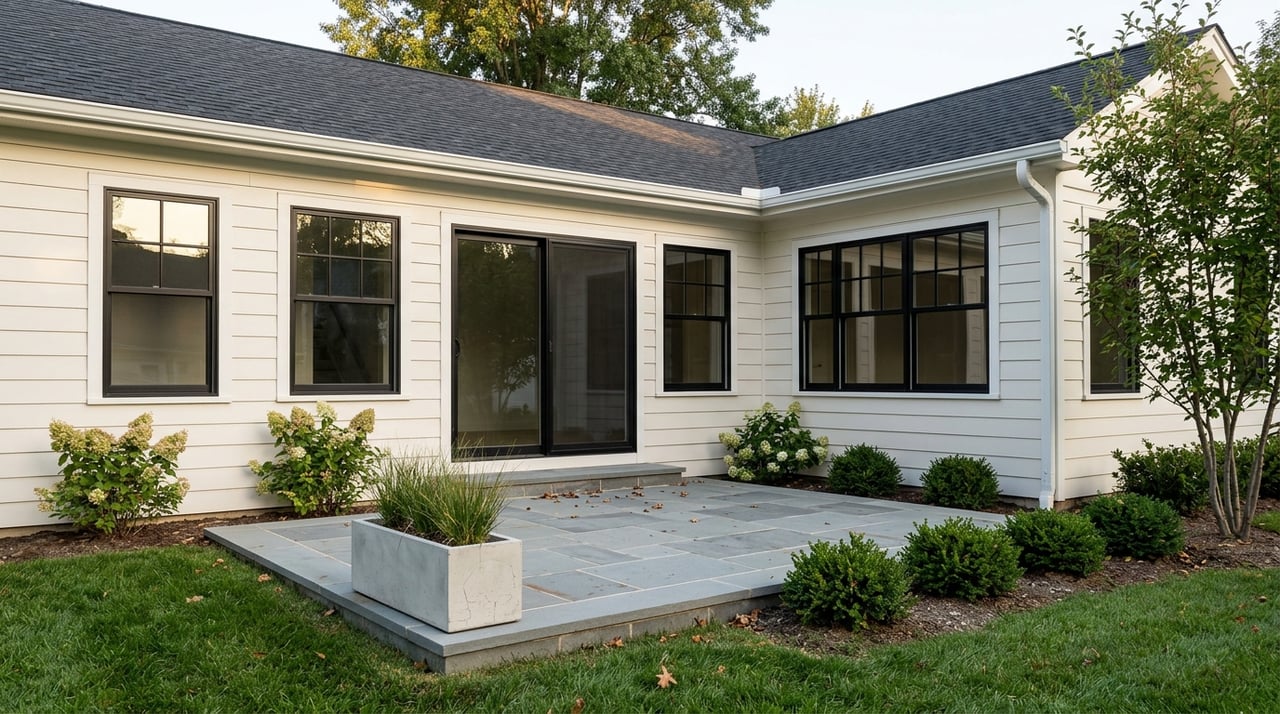
Expanded homes add usable square footage and flexibility. Common projects include rear family-room or kitchen bump-outs, side additions, dormers or new second stories, finished basements, and enclosed porches converted to living space. These often deliver larger kitchens, added baths, primary suites, and more bedrooms.
Quality varies. Minor additions that respect the original structure can work well when permitted and inspected. Major expansions like second stories or removed load-bearing walls require engineered solutions. Poorly integrated rooflines or proportions can hurt curb appeal and resale perception.
Systems and the building envelope
- Electrical: Original service is often undersized for modern loads. Expanded homes commonly upgrade to 150–200 amp panels to support added kitchens, HVAC, and outlets. Check for modern breakers, tidy wiring, and properly labeled circuits.
- Heating and cooling: Older homes may have oil-fired systems and no central air. Many expanded homes convert to natural gas or add forced air, split-system central AC, or heat pumps. Verify ductwork quality and that the system is sized for the expanded area.
- Plumbing: Galvanized supply lines can corrode and restrict flow. Look for updated copper, CPVC, or PEX. Be alert to polybutylene installed in later decades, which is a known failure risk.
- Insulation and windows: Original walls and ceilings often lack modern insulation. Expanded portions are typically better insulated and may have thermal-pane or vinyl windows.
- Roofing and siding: New rooflines, valleys, and intersections from additions can create leak points. Siding upgrades are common, but transitions need proper flashing.
Permits and documentation
Additions and system upgrades should have permits and final approvals. Unpermitted work can complicate appraisals, insurance, mortgages, and resale. Ask for permit numbers, Certificates of Occupancy or Compliance, and any engineered plans for major structural changes. You can verify permit history with the Town of Hempstead and review tax assessments through Nassau County records.
Keep a file with as-built drawings, contractor receipts, warranties, and lien releases. These records support value and help you plan maintenance.
Walk-through checklist at showings
Use this quick screen to separate well-executed expansions from risky ones.
Exterior
- Transitions where new meets old: cracks, siding mismatches, or uneven settlement.
- Roof details: valleys at additions, flashing around chimneys and dormers, and clear gutter paths.
- Grading that slopes away from the foundation.
Interior
- Floor level changes, misaligned doors or windows, and cracks at corners where additions join.
- Count bathrooms and note plumbing tie-ins; slow drains can hint at older lines.
- Look for exposed wiring or extension cords used as permanent wiring.
Foundation and lower levels
- Signs of water intrusion, efflorescence, or cracking.
- Sump pump presence and condition.
- How new framing connects to the original foundation.
Inspection and due diligence
Hire a licensed home inspector, and consider a structural engineer for second stories or large open spans. Ask your inspector to focus on:
- Structural integrity: settlement at old-to-new junctions, sagging rooflines, unsupported beams, or questionable ledger attachments.
- Roofing and flashing: age, materials, and detail at new intersections.
- Electrical: panel capacity, condition of wiring, and the presence of added circuits for kitchens, baths, and AC.
- HVAC: age and capacity of equipment, ductwork quality, zoning, and load adequacy for the total square footage.
- Plumbing: supply and drain materials, water pressure, water heater age, and any oil tank documentation or removals.
- Moisture and environmental: basements and crawlspaces, and potential for lead-based paint in pre-1978 homes. In mid-century homes, also consider asbestos in some insulation or tiles. Radon testing is an option in this area.
- Energy efficiency: insulation levels in attics and walls, the quality of window upgrades, and thermal breaks where additions meet originals.
Paperwork and local checks
Before you finalize an offer, request:
- Permit history and final approvals for all additions and major system work.
- Certificates of Occupancy or Compliance, as-built drawings, and contractor receipts.
- Property tax history and assessment changes linked to additions.
- Title records that confirm no easement conflicts.
You can confirm permits with the Town of Hempstead Building Department and review assessments with the Nassau County Department of Assessment. For guidance on lead-based paint rules in pre-1978 housing, refer to federal resources, and use New York State and Nassau County resources for oil tank removal best practices.
Pricing and resale basics
Expanded homes often command higher prices because of added space and amenities. That premium depends on quality, permits, and how well the addition integrates with the original house. Unpermitted space typically cannot be counted as legal finished square footage for appraisals and can complicate loan approval.
Original homes can appeal to value-focused buyers who prefer smaller footprints or plan to renovate over time. Expanded homes can face price penalties if additions look tacked on, layout flow is awkward, or systems are undersized. Keep operating costs in mind, since larger homes cost more to heat and cool.
Offer strategy and adjustments
When you price an offer, use a simple mental checklist:
- Pay a premium for legally permitted, high-quality additions that deliver usable bedrooms, baths, and kitchens.
- Deduct for remediation when work appears substandard or unpermitted. Get written estimates from licensed contractors and factor them into negotiations.
- Respect the neighborhood ceiling. Even large renovations have limits set by comparable sales on the same block.
- Consider near-term replacements like electrical upgrades, HVAC, roofing, or plumbing line replacements.
Step-by-step buying process
Before showings
- Which parts of the house are additions or modifications from the original plan?
- Were permits obtained and closed out? Ask for permit numbers and final approvals.
- When were the roof, electrical panel, HVAC, and water heater last replaced or serviced?
- Is there documentation for any oil tank removal or site remediation?
During showings
- Review exterior transitions, roof intersections, and grading.
- Check interior floor levels, door and window alignment, and bathroom venting.
- Look in mechanical areas for panel capacity, ductwork quality, and plumbing materials.
After an accepted offer
- Order a general home inspection with instructions to scrutinize additions.
- Bring in specialists if flagged: structural engineer, electrician, HVAC, or environmental consultant.
- If unpermitted work exists, request contractor estimates to bring it to code, then negotiate seller remedies or credits.
When to involve specialists
- Structural engineer: second-floor additions, large open spans, visible settlement, or missing engineered plans.
- Licensed electrician, plumber, and HVAC: to confirm capacity, safety, and code compliance.
- Environmental consultant: suspected buried oil tanks, asbestos, or lead hazards.
- Surveyor: if any addition approaches setbacks or appears close to lot lines.
Taxes, insurance, and financing notes
Lenders and insurers often require proof of permits and code compliance for additions. Unpermitted work can limit loan choices or raise premiums. Expanded homes that were reassessed typically carry higher property taxes. Confirm assessed value and any changes after improvements before you finalize your budget.
Original or expanded: choosing your fit
If you value a simpler layout, smaller maintenance needs, and a lower tax baseline, an original home can be a great canvas for your plans. If you need more bedrooms, an extra bath, and open gathering space right now, a well-permitted and well-integrated expansion is worth the premium. In both cases, focus on structural soundness, updated systems, and clean documentation. That is what protects comfort, safety, and resale.
Your Levittown advantage
Buying in Levittown is about matching space and systems to your lifestyle and budget, then verifying the details. If you want a clear plan, reliable contractor referrals, and offer strategies rooted in local comps and permit reality, reach out to Nick and Natalie. We will help you compare options, vet documentation, and negotiate with confidence.
FAQs
Are expanded Levitt homes always worth more?
- Not always. Value depends on permitted square footage, quality of construction, layout flow, neighborhood comps, and operating costs.
How important is permit history for additions?
- Very important. Unpermitted work can hinder financing and insurance, reduce appraised value, and create resale hurdles.
What systems matter most to check first?
- Prioritize electrical panel capacity, heating and cooling size and age, plumbing materials, and roof/flashing at addition transitions.
When should I bring in a structural engineer?
- For second stories, large open spans, visible settlement or cracking, or when engineered plans are missing for major changes.
What environmental risks are common in these homes?
- In pre-1978 homes, lead-based paint is possible. Mid-century materials may include asbestos, and older oil heat can mean buried tanks to investigate.
Will an addition increase my property taxes?
- Often yes. Confirm assessment records to see when improvements were added and how they affect current taxes before making an offer.