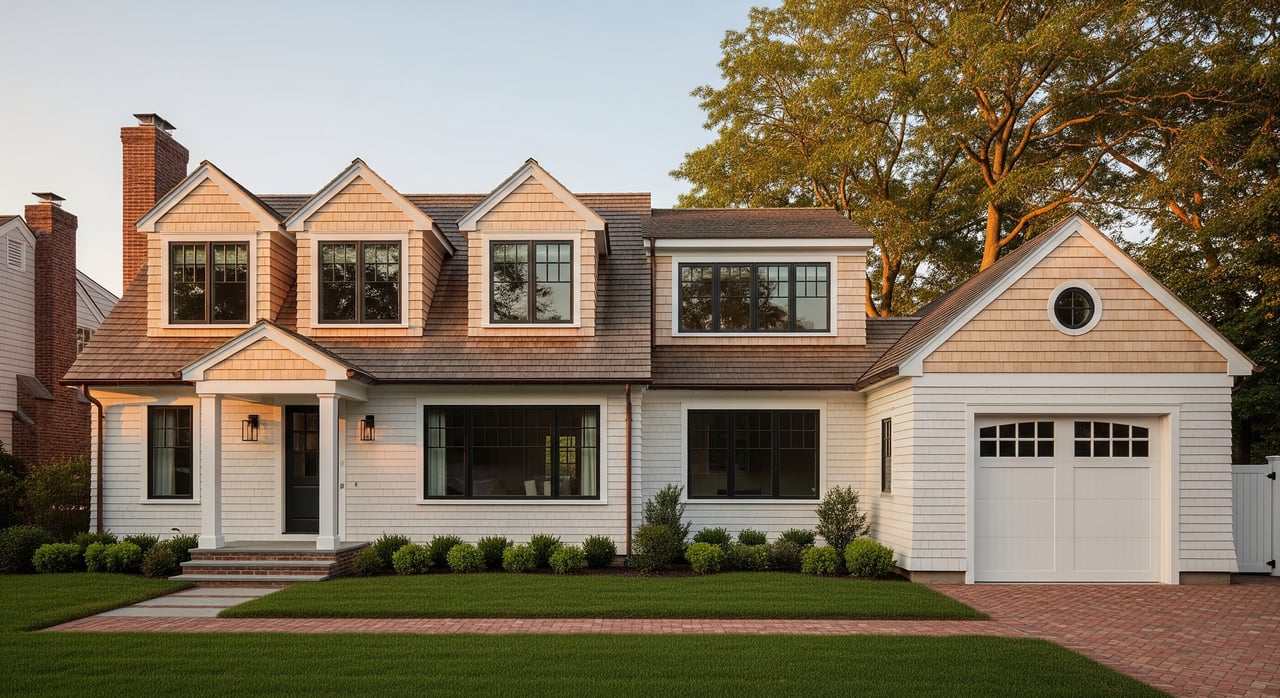
Thinking about buying in Levittown but not sure how a Cape compares to a Ranch or what an “expanded” home really means for daily living? You’re not alone. Levittown’s original floor plans and decades of additions can be confusing when you’re scrolling listings. This guide breaks down the core home styles, common expansions, what to watch for in photos, and the due diligence that protects your budget. Let’s dive in.
Levittown quick history
Levittown in Nassau County was built between 1947 and 1951 as one of America’s first large-scale postwar suburbs. Levitt & Sons used standardized plans and efficient construction to deliver affordable single-family homes for returning veterans and growing families. Lots are typically large enough for rear or side additions, which is why so many homes you see today have expansions.
Original home styles
Cape basics
A Levittown Cape is a 1½-story home with a steep roof and an upper half-story, sometimes dormered. Main living areas sit on the first floor, with bedrooms either downstairs or in the upper half-story. Day to day, Capes are efficient and cozy, though upstairs rooms can have sloped ceilings and less full-height wall space.
Ranch basics
Ranches offer single-level living with bedrooms off a main hall and a wider footprint. These layouts are comfortable if you want minimal stairs and straightforward indoor-outdoor flow. Original kitchens and baths were modest, but many Ranches have been updated or expanded for modern use.
Compact two-story variants
Some sections include small two-story homes with living areas on the main level and bedrooms upstairs. You get the familiar separation of public and private spaces and often better closet potential than Capes. These are not large suburban colonials, but they live efficiently.
How these layouts live
- Expect smaller original kitchens, modest bathrooms, and fewer built-in closets compared to newer builds.
- Many homes include basements for utilities and storage, plus detached or later-added one-car garages.
- Original footprints were often 2 to 3 bedrooms under roughly 1,300 square feet, which is why expansions are so common.
Common expansions in Levittown
Dormered or full second stories
- What it is: Adding dormers or converting a half-story into a full second floor to create regular-height bedrooms and often another bathroom.
- Daily impact: More usable bedrooms, better closet space, and improved function for growing households.
- What to check: Roof drainage and flashing, insulation continuity, stair quality and code compliance, HVAC sizing, and permits.
- Value notes: When well built and permitted, second-story additions often deliver strong value since they add legal bedrooms and baths.
Rear or side additions
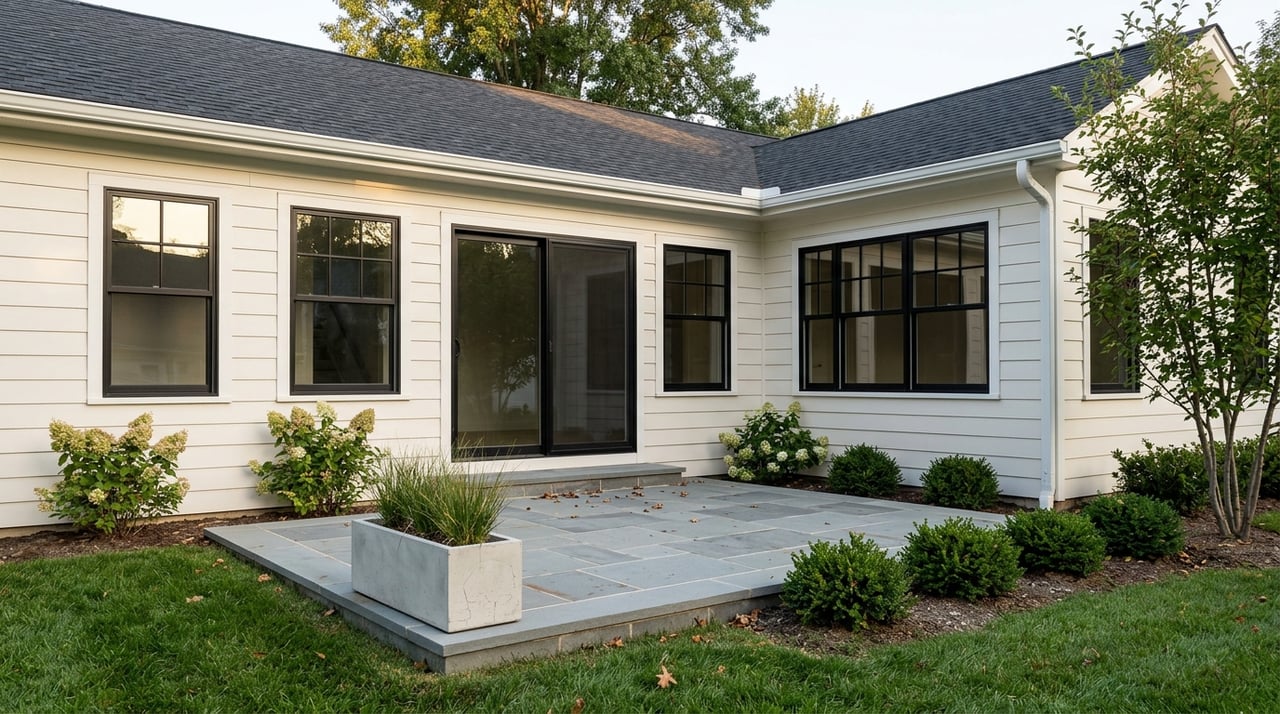
- What it is: One-story bump-outs to enlarge the kitchen, dining, or create a family room or suite.
- Daily impact: Better circulation, larger kitchens, and more flexible living space that matches modern needs.
- What to check: Floor and roof tie-ins, foundation continuity, air sealing, and proper flashing at old-to-new connections.
- Value notes: Positive when coherent and permitted, though yard size vs. footprint is a trade-off.
Garage conversions
- What it is: Turning an attached or detached garage into conditioned living space like a playroom, office, bedroom, or part of a larger kitchen.
- Daily impact: Adds usable space without changing lot coverage, but removes vehicle storage.
- What to check: Insulation and vapor barriers, floor-level changes, bedroom egress, electrical and HVAC capacity, plumbing for added baths, parking implications, and permits.
- Value notes: Mixed. High-quality, permitted conversions can add value, but some buyers prefer garage parking.
Finished basements
- What it is: Completing basements for living rooms, offices, or bedrooms, sometimes with added egress.
- Daily impact: Great for extra hangout space or work areas while protecting yard space.
- What to check: Moisture control, proper egress for any bedrooms, sump systems, and code-compliant finishes.
- Value notes: Adds usable area and appeal, with value influenced by light, ceiling height, and perceived livability.
Interior modernizations
- What it is: Kitchen and bath remodels, removing non-load-bearing walls, and updating systems.
- Daily impact: Immediate improvement in function and aesthetics.
- What to check: Whether structural changes were engineered, and if electrical and plumbing updates were permitted.
- Value notes: Strong market appeal. Quality kitchens and baths help homes sell faster and closer to asking.
What photos reveal
Exterior cues
- Mismatched rooflines or siding patches can signal dormers or additions.
- A missing garage door or new windows where a garage opening used to be suggests a conversion.
- New HVAC condensers or added chimneys may hint at interior changes or added baths.
Interior cues
- Short stairs and dormer windows point to a half-story; full-height ceilings and regular windows suggest a true second story.
- Inconsistent ceiling heights between rooms can indicate additions or conversions.
- Abrupt flooring or trim transitions may reflect piecemeal renovations.
- Bedrooms without proper windows are a red flag for illegal sleeping spaces.
Listing language
- Words like “expanded,” “dormered,” “finished basement,” and “garage converted” should prompt permit questions.
- “As-is” can be neutral, but ask about permits, inspections, and any known deferred maintenance.
Buyer due diligence checklist
Permits and records
- Ask for building permits, certificates of occupancy, and final inspections for additions, dormers, conversions, and major system upgrades.
- Verify with the Town of Hempstead Building Department and Nassau County property records that permits were pulled and closed.
Inspections to order
- General inspection that covers roof, foundation, visible framing, moisture, and HVAC.
- Structural review for second-story or major wall removals.
- Chimney and roof evaluation for dormers and valleys.
- HVAC, plumbing, and electrical checks to confirm capacity after expansions.
- Pest inspection and drainage grading review.
Smart questions for sellers
- When was the work done, and by whom? Are there as-built plans and closed permits?
- Were mechanicals upgraded to support the new square footage?
- Any history of leaks, basement water, or pests, especially in expanded areas?
- If a garage was converted, how is parking handled now?
Legal, financing, and insurance
- Unpermitted space can complicate appraisals and underwriting, and some insurers require proof that alterations meet code.
Value and market factors
- In Levittown’s middle-market context, legal bedrooms and bathrooms typically increase appeal and price.
- Well-executed second stories and coherent rear additions tend to deliver strong market value.
- Garage conversions are situational. If parking remains adequate and work is permitted and well finished, value can rise, but some buyers prefer a garage.
- Finished basements add usable space. Value depends on light, ceiling height, and code compliance.
- Cosmetic remodels raise marketability and can shorten time on market.
Practical tips for Levittown buyers
- Compare to nearby homes. Neighborhood norms help you gauge how a conversion will be valued.
- Weigh parking and curb appeal. Interior gains can be offset if parking is tight or curb appeal suffers.
- Get an architect or contractor review for large additions to understand long-term maintenance and system sizing.
- Keep documentation organized. Permit records and inspection reports support appraisal, insurance, and resale.
Buying in Levittown gets easier when you know how these homes were built and how expansions change daily living. If you want help reading between the lines on a specific listing or planning your offer strategy, reach out to Nick and Natalie for local guidance and next steps.
FAQs
What defines a Levittown Cape versus a Ranch?
- Capes are 1½-story homes with sloped-roof upper rooms, while Ranches are single-level layouts with bedrooms off a main hall for easier, stair-free living.
Do second-story dormers add value in Levittown?
- When permitted and well built, dormers that create full-height bedrooms and add a bath often increase appeal and market value by expanding usable, legal space.
Are garage conversions a good idea for resale?
- It depends on quality, permits, and parking norms; conversions can add livable square footage, but some buyers prefer homes that retain garage parking.
What permits should I see before making an offer?
- Ask for permits, certificates of occupancy, and closed inspections for additions, dormers, garage conversions, finished basements, and major mechanical upgrades.
Which inspections are most important for expanded homes?
- Order a general inspection plus targeted structural, roof/chimney, HVAC, plumbing, electrical, pest, and drainage reviews to confirm quality and code compliance.