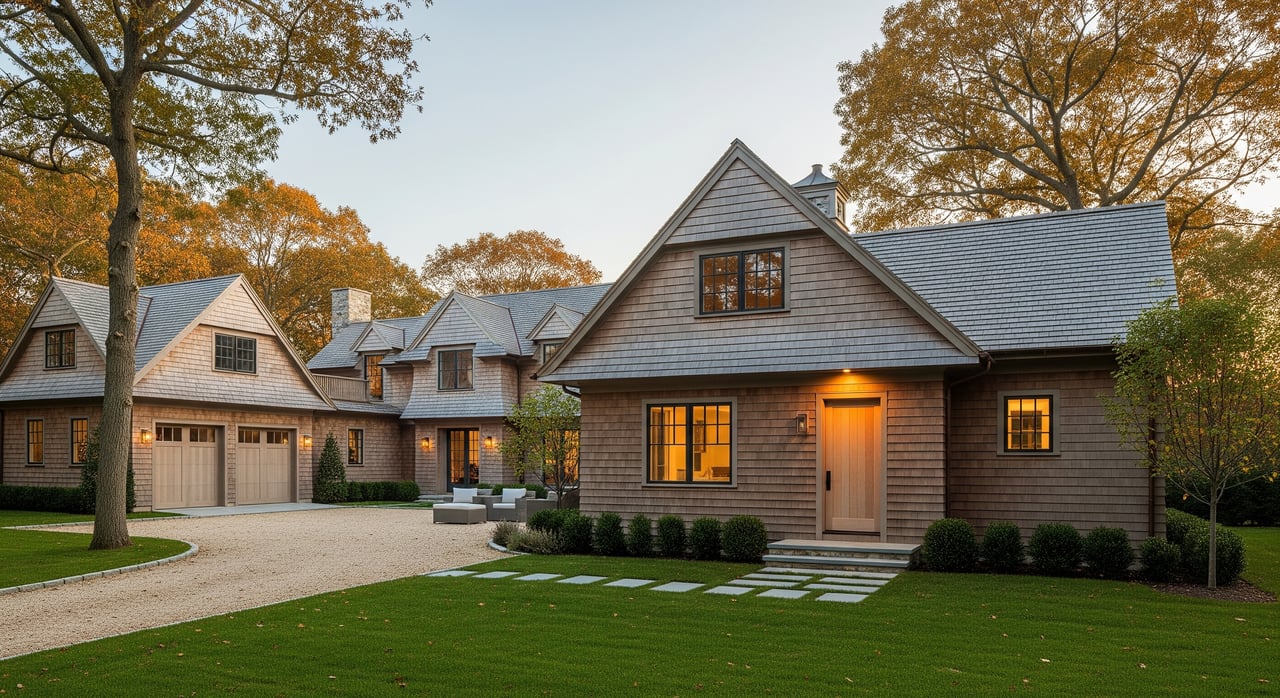
Could living in one part of your Dix Hills home while renting another help cover your mortgage? If you are weighing higher Long Island prices against your budget, house hacking can be a practical way to reduce costs and build equity. In this guide, you will learn what works in Dix Hills, the legal steps to make it compliant, financing options, a simple feasibility check, and the risks to plan for. Let’s dive in.
What house hacking means in Dix Hills
House hacking is when you live in a property and rent part of it to offset your housing costs. In Dix Hills, most opportunities come from single-family homes that can support a legal accessory apartment or extra bedrooms. Legal two- to four-unit properties are less common here than in denser parts of Long Island, so expect more single-family options than small multi-family buildings. Short-term rentals can be restricted by local rules, so long-term leases are the most typical path.
Local rules you must know
Zoning and permits in Huntington
Dix Hills is in the Town of Huntington, which sets zoning and building rules. Before you buy or convert, confirm whether accessory apartments are allowed for the property’s zoning district and what permits are required. The Town of Huntington Building Department and Department of Planning and Environment can confirm permitted uses and outline approvals, including any certificate of occupancy updates.
Building code essentials
A legal accessory apartment usually needs proper egress, minimum ceiling heights, ventilation, habitable-room windows, a functioning kitchen and bathroom, fire separation, and smoke and carbon monoxide detectors. If the home uses a private septic system, the county may require capacity checks before you add a unit. Get requirements in writing before you start work.
Short-term rental limits
Many Long Island towns restrict or register short-term rentals. Huntington has regulations that may affect transient rentals. If your goal is short-term income, verify current rules first to avoid violations.
Landlord‑tenant basics
New York requires a legal process for evictions, which can take time. Make sure you use a written lease, required disclosures for older homes, and proper detector installations. Rent stabilization typically does not apply to owner-occupied single-family homes in Dix Hills.
Property types that work
Legal accessory apartment
A single-family home with a permitted basement, in-law suite, or accessory dwelling can be a strong fit. This model offers a clear lease and predictable income if the unit meets code and has a certificate of occupancy.
Renting rooms
If you have extra bedrooms, a house-share can bring in rent with minimal renovation. This option can increase turnover and requires clear house rules, proper occupancy, parking considerations, and safety compliance.
Two to four units
Legal two- to four-unit properties exist but are less common in Dix Hills. If you find one, owner-occupied financing options can be favorable, and lenders may allow projected rental income for qualification with documentation.
Short-term rentals
While potentially lucrative, short-term rentals carry higher regulatory risk, higher operating costs, and more management. Confirm local rules before counting on this approach.
Financing paths for owner‑occupants
- FHA loans: Often allow a low down payment for 1–4 unit owner-occupied properties. Renovation versions, such as FHA 203(k), can help fund work to legalize or finish an accessory unit.
- Conventional loans: Fannie Mae and Freddie Mac can finance 2–4 unit properties. Down payment requirements often rise with more units, and lenders may use a portion of documented rental income to qualify you.
- VA loans: Eligible veterans can buy 1–4 unit owner-occupied properties with favorable terms and no down payment.
- Renovation loans: FHA 203(k) and Fannie Mae Homestyle can fund code compliance, egress improvements, and new kitchens or baths for a unit.
- Local portfolio lending: Some community banks and credit unions offer flexible programs for owner-occupied homes with rentable units.
Ask lenders what documentation they need to count rental income, including leases or market rent support.
Simple feasibility check
Start with a basic pro forma. Add up your estimated monthly mortgage payment, property taxes, insurance, any HOA fees, a maintenance reserve, utilities you will cover, and a vacancy allowance. Subtract expected rent for the tenant space. The result is your effective out-of-pocket housing cost.
Here is a hypothetical example, not a quote or offer. If you purchase at $700,000 with 20 percent down and finance $560,000 at 5 percent, principal and interest might be about $3,000 per month. After adding taxes, insurance, and maintenance, total ownership cost might be about $4,200 per month. If a legal basement apartment rents for $1,800 to $2,200, the rent meaningfully reduces the monthly cost, although it might not eliminate it. Your actual numbers will vary with price, down payment, taxes, and confirmed market rent.
Taxes, insurance, and safety
- Taxes: Rental income is taxable, but many expenses are deductible for the rented portion, including mortgage interest, property taxes, insurance, certain utilities, maintenance, repairs, and depreciation. If you sell, you may still qualify for the primary residence exclusion if you meet the residency test, though depreciation taken for the rental portion can be taxable.
- Insurance: Standard homeowner policies may not cover tenant-caused damage or liability. Ask for a landlord policy or a homeowner rider that covers rented space and added liability.
- Safety: Confirm egress, fire separation, smoke and CO detectors, safe stairs and railings, and proper utilities. Code compliance protects you and your tenant.
Demand and rent expectations
Dix Hills is a suburban, owner-occupied community with larger lots and commuter access to jobs across Long Island and New York City. Long-term rentals of single-family homes draw steady interest. Basement apartments or rooms may attract commuters, young professionals, single adults, or downsizing residents. Proximity to Deer Park or Huntington train stations and on-site parking can influence desirability for commuters.
Risks and how to avoid them
- Unpermitted units: Illegal conversions can block financing, reduce insurance coverage, and complicate resale. Always confirm legal status and obtain a certificate of occupancy.
- Eviction and legal risk: New York’s process takes time and documentation. Use written leases, screen tenants carefully, and consult a local attorney on required notices.
- HOA and neighborhood limits: If an HOA is involved, get rental policies in writing. Keep parking and occupancy compliant to avoid conflicts.
- Capital and opportunity cost: Renovations and permits require cash. Compare returns against other options to ensure the best use of your funds.
Your next steps in Dix Hills
- Market and comps: Review current rental listings in Dix Hills and nearby Huntington neighborhoods for similar accessory apartments, two-bedroom rentals, and single-family homes to set realistic rent assumptions. Check recent sales of homes with known accessory units.
- Zoning and permitting: Contact the Town of Huntington Building Department with an exact property address to confirm allowed uses, accessory apartment rules, and permit steps. Ask what is required to legalize any existing space.
- Financing and renovation: Speak with lenders about FHA, VA, conventional, renovation, and local portfolio options for owner-occupied rentals. Get contractor estimates for code upgrades like egress windows, fire separation, kitchens, and baths.
- Legal and tax: Consult a local real estate attorney about leasing and disclosures. Ask a CPA to model rental income treatment, depreciation, and potential capital gains on sale.
- Insurance and safety: Get quotes for landlord coverage or policy riders. Bring the property up to safety and habitability standards before listing the unit.
- Exit planning: Consider resale. A legal accessory unit can be a selling point. Understand how depreciation and the two-out-of-five-year residency rule may affect taxes at sale.
Bottom line, house hacking can work in Dix Hills when you choose the right property type, follow Town of Huntington rules, underwrite conservatively, and plan for management. If you want help finding properties that fit this strategy, or you want to run a quick feasibility review, reach out to Nick and Natalie. We can help you identify compliant options, connect you with lenders and contractors, and negotiate your best outcome.
FAQs
Is house hacking allowed in Dix Hills?
- House hacking can work if your plan complies with Town of Huntington zoning, building codes, and any HOA rules, and if you obtain required permits and a certificate of occupancy.
What permits do I need for a basement apartment in Huntington?
- You will likely need approvals for an accessory apartment, including egress, fire separation, kitchen and bath standards, detector installations, and an updated certificate of occupancy.
Can projected rent help me qualify for a mortgage?
- Yes in many cases, since FHA, VA, and conventional guidelines may allow lenders to use documented projected rent for 2–4 unit or accessory-unit scenarios with proper evidence.
Are short-term rentals allowed in Dix Hills?
- Short-term rentals can be restricted or require registration under Town of Huntington rules, so verify current regulations before pursuing this model.
How are taxes handled when I rent part of my home?
- Rental income is taxable, but you may deduct many expenses for the rented portion and take depreciation; if you sell, depreciation taken may be taxable even if you qualify for the residence exclusion.
What are the biggest risks for first-time house hackers?
- The top risks include unpermitted units, extended eviction timelines, HOA restrictions, and underestimating renovation and property tax costs; careful planning and written confirmations reduce these risks.