If you have started looking at Smithtown, you have probably already noticed something important: one address can feel very different from the next. Some pockets lean more village-like and rail-friendly, while others feel quieter, more suburban, and more car-oriented. If you want to understand how Smithtown neighborhoods and home styles really compare, this guide will help you sort through the differences and focus on what fits your lifestyle. Let’s dive in.
Why Smithtown Feels So Varied
Smithtown is not one uniform suburb. The town describes itself as a bedroom community, but its planning documents separate Smithtown, St. James, and Nesconset into distinct hamlets, each with its own layout, housing rhythm, and daily routine.
That matters when you are house hunting. A home’s feel is shaped not just by the mailing address, but by the hamlet, the block, the nearby roads, and how close you are to a station or local commercial corridor.
Lot size is another big reason the area feels different from pocket to pocket. Smithtown zoning includes one-family districts with minimum lot sizes of 7,500, 15,000, 21,780, and 43,560 square feet, which can create major changes in yard size, setbacks, and overall street character.
In simple terms, two homes in the same general area can offer very different living experiences. That is why it helps to compare Smithtown by hamlet and by block-level context, not just by zip code.
Smithtown Proper: Main Street and Rail Access
Smithtown proper tends to feel the most downtown-oriented of the three hamlets. Town workshop feedback shows residents want more mixed-use development, better pedestrian safety, a more walkable Main Street, and a stronger town-center experience.
If you like the idea of being closer to a village core, this is usually the clearest match. Compared with other parts of town, Smithtown proper offers the strongest combination of a town-center setting and everyday rail convenience.
The housing stock still reads as classic suburbia. A current housing profile estimates a median construction year of 1967, and much of the inventory is detached single-family housing.
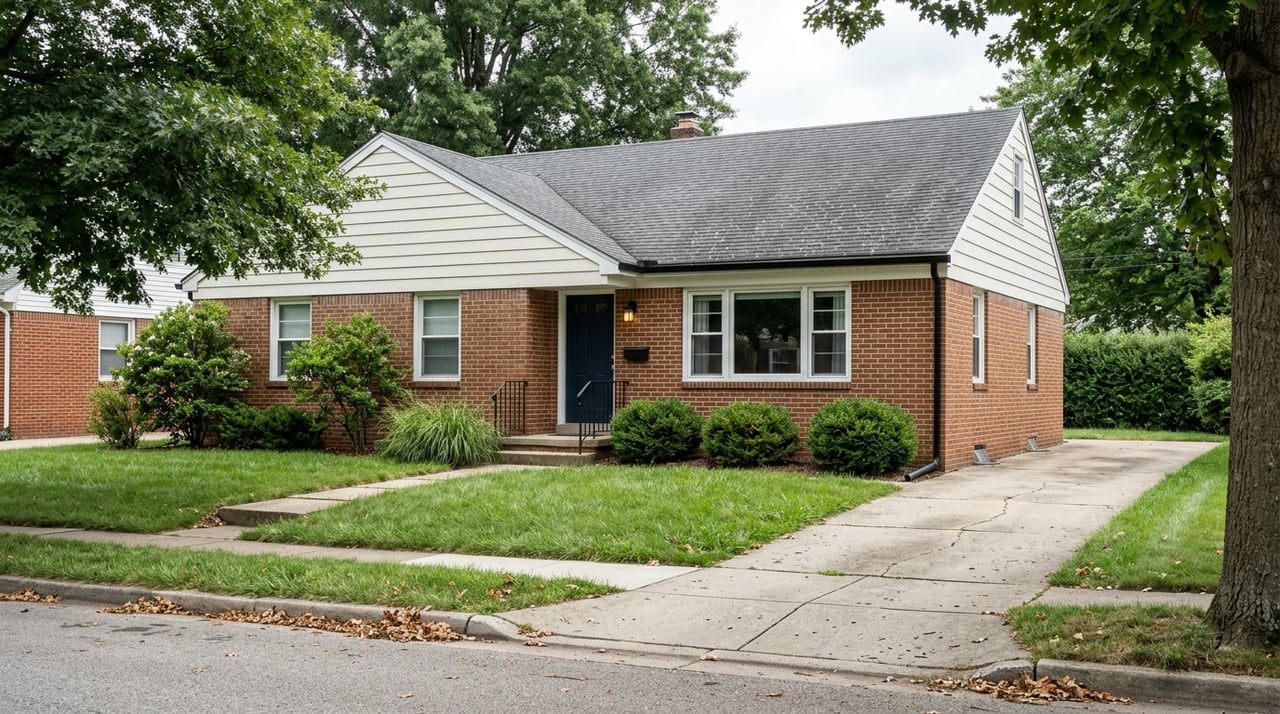
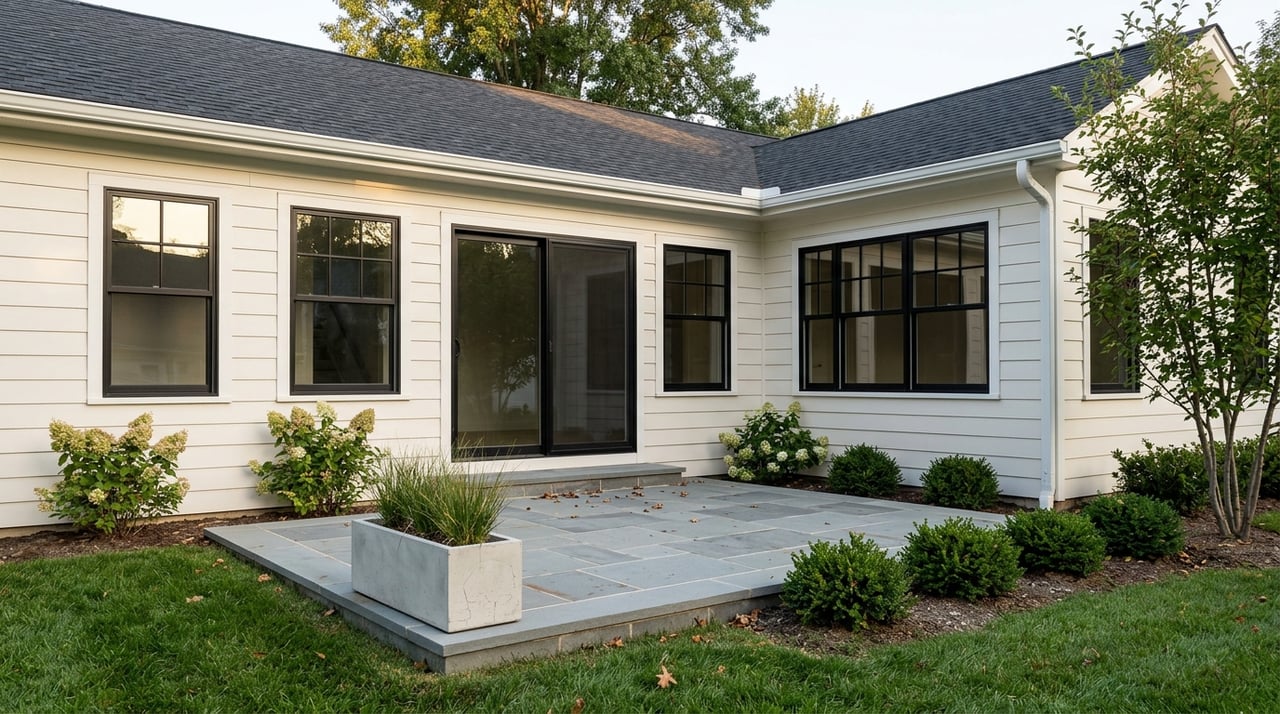
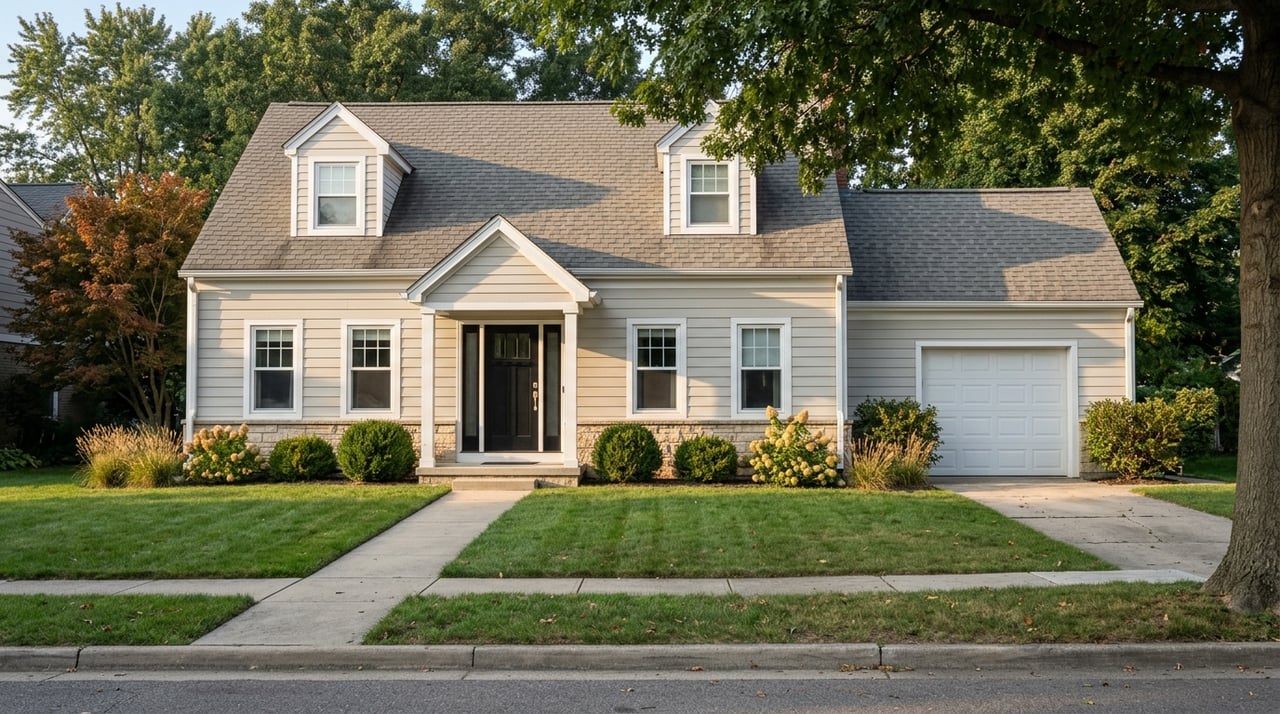
For buyers, that often means you will see familiar Long Island home styles such as ranches, capes, split-levels, and colonials. Many homes reflect the 1950s through 1970s suburban buildout, which gives this pocket a well-established feel.
Rail access is another defining feature. Smithtown station sits on the Port Jefferson Branch, and MTA parking information notes free and unrestricted parking operated by the Town of Smithtown.
If your routine includes train access or you simply want the convenience of a more connected town center, Smithtown proper often rises to the top of the list. It is usually the best fit for buyers who want classic suburban housing with easier access to a Main Street setting.
St. James: Historic and Village-Like
St. James has the strongest historic identity among the three hamlets. In town workshop feedback, residents described it as station-centered and tied to a long local history, with places like Deepwells, the firehouse, the general store, and the Episcopal church seen as important historic anchors.
That history shapes the feel of the area today. Buyers who want a more established, village-like setting often find St. James especially appealing because its core has a more mature and historic rhythm.
The Lake Avenue corridor is the key to understanding this hamlet. Residents described it as a commercial corridor that should remain more walkable, better beautified, and more mixed-use, while keeping a town-centered look instead of a heavily modern one.
That gives St. James a distinct personality. It feels like a hamlet where the corridor and station area matter, and where the local identity is tied closely to preservation and a recognizable village core.
Housing here is still mostly detached single-family. A current housing profile estimates a median construction year around 1973, which suggests a mix of older village-scale blocks near the corridor and more conventional suburban streets beyond the center.
For commuting, St. James is also on the Port Jefferson Branch. If you want a rail-accessible area with a historic feel and a more defined village atmosphere, St. James is often the strongest fit in Smithtown.
Nesconset: Residential and Road-Oriented
Nesconset has a different rhythm from Smithtown proper and St. James. Town workshop feedback shows residents wanted to keep it mostly residential, with attention focused on areas like Nesconset Plaza and major road corridors.
This is the pocket that tends to feel more car-oriented in daily life. Residents pointed to roads like Smithtown Boulevard and Nichols Road as major circulation routes, and they also asked for more sidewalks, bike paths, and safer crossings.
That tells you a lot about how the hamlet functions. Unlike the rail-centered feel of Smithtown proper or St. James, Nesconset is more closely tied to driving and road access.
The housing stock still leans heavily single-family. A current housing snapshot estimates a median year built of 1976, making it slightly newer on average than Smithtown proper and St. James.
That slightly newer profile often shows up in the feel of the neighborhoods. Nesconset can read as a more postwar suburban pocket, with some condo and apartment clusters near commercial stretches and many single-family streets beyond them.
It also has neighborhood-scale civic infrastructure, including the Smithtown Library’s Nesconset Building on Smithtown Boulevard. Even without a rail-centered downtown, that kind of local anchor helps define the hamlet’s everyday convenience.
Common Home Styles in Smithtown
Across Smithtown, St. James, and Nesconset, the most common visual language is traditional suburban single-family housing. Based on the age of the housing stock described in current area profiles, many buyers can expect a mix of mid-century and postwar homes.
The styles you are most likely to encounter include:
- Ranches
- Capes
- Split-levels
- Colonials
These styles show up differently depending on the hamlet and the block. In some areas, you may see older homes on more varied lots near a village core, while other areas feel more like classic suburban subdivisions with a slightly newer build pattern.
That is why home style alone does not tell the whole story. A ranch in Smithtown proper may appeal for its location near rail and downtown conveniences, while a similar home in Nesconset may feel more tied to road access and a quieter residential setting.
Lot Size Matters More Than Many Buyers Expect
One of the biggest differences between Smithtown neighborhoods is not always the house style. Often, it is the lot.
Because the town includes several one-family zoning districts with different minimum lot areas, you can see noticeable swings in yard size and spacing from one section to another. That affects privacy, how the street feels, and how much outdoor space you may have.
If you are comparing homes, look closely at the block and not just the listing photos. Two similar colonials may live very differently if one sits in a district with tighter lot patterns and the other is on a much larger parcel.
For many buyers and sellers, that block-level difference becomes one of the biggest value drivers. It can influence buyer demand, perceived space, and how a neighborhood feels the moment you turn onto the street.
How to Choose the Right Smithtown Pocket
The best Smithtown fit usually comes down to your daily routine. Instead of asking which hamlet is best, it is more useful to ask which one matches how you want to live.
Here is a simple way to think about it:
- Choose Smithtown proper if you want the clearest Main Street feel, easy rail access, and classic mid-century suburban housing.
- Choose St. James if you want a more historic, village-like atmosphere with a walkable corridor and station-centered identity.
- Choose Nesconset if you prefer a mostly residential setting with a more road-oriented routine and a slightly newer suburban housing profile.
This is also helpful if you plan to sell. Buyers often respond less to the broad town name and more to practical details like lot size, home age, nearby corridors, and how connected the home feels to a village core or commuting route.
What Buyers and Sellers Should Focus On
If you are buying in Smithtown, it helps to compare homes through a few simple filters first. Start with proximity to a train station, relationship to major roads, lot size, and the age and style of the home.
If you are selling, those same details often shape your home’s story in the market. Positioning a home correctly means understanding whether buyers are more likely to value village feel, rail convenience, residential quiet, or lot size.
In a town made up of distinct micro-markets, small location details can make a big difference. That is why local context matters so much in Smithtown.
If you want help narrowing down the right Smithtown neighborhood or preparing your home for the market, the Nick and Natalie Real Estate Team can help you make sense of the details and plan your next move with confidence.
FAQs
What are the main neighborhoods within Smithtown?
- Smithtown is commonly understood through three main hamlets in town planning materials: Smithtown, St. James, and Nesconset.
What home styles are most common in Smithtown, NY?
- Buyers will often see ranches, capes, split-levels, and colonials, especially in housing built from the 1950s through the 1970s.
Which part of Smithtown is best for LIRR access?
- Smithtown proper is typically the strongest fit for everyday rail convenience, and St. James also has Port Jefferson Branch access.
How does St. James differ from Smithtown proper?
- St. James has a more historic and village-like identity, while Smithtown proper tends to offer the clearest downtown-oriented and rail-friendly setting.
Is Nesconset more residential than other Smithtown hamlets?
- Yes. Town planning feedback describes Nesconset as mostly residential and more road-oriented in daily life.
Why do lot sizes vary so much in Smithtown?
- Smithtown has several one-family zoning districts with different minimum lot sizes, which creates noticeable differences in yard size, setbacks, and street feel.